

The Philippines’ Road to Exiting FATF’s Grey List by 2025
.svg)
The Philippines has reached a critical milestone in its fight against financial crime. Being on the FATF grey list is more than just a regulatory classification—it impacts global investor confidence, banking partnerships, and cross-border transaction efficiency. However, after years of reforms, the country is now poised for a historic turnaround.
Since June 2021, this designation has increased scrutiny from global regulators and financial institutions, affecting foreign investments and the ease of international transactions. However, in its October 2024 report, FATF acknowledged the significant progress made by the Philippines—a clear signal that the country is on track to exit the grey list by 2025.
But what does this mean for banks and fintechs operating in the Philippines?
How the Philippines Earned FATF Recognition
The Philippines has made significant strides in strengthening its anti-money laundering (AML) and counter-terrorism financing (CTF) frameworks, earning international recognition and progressing toward FATF grey list removal.
1. Completion of FATF’s 18-Point Action Plan
The Anti-Money Laundering Council (AMLC), in collaboration with various financial regulators, has effectively addressed all 18 action items outlined by the FATF. Key achievements include:
✅ Risk-Based Supervision: Enhanced supervision of Designated Non-Financial Businesses and Professions (DNFBPs) to ensure full AML/CTF compliance.
✅ Casino Sector Oversight: Implemented stringent AML/CTF controls to mitigate risks associated with casino junket operations and high-risk transactions.
✅ Regulation of Money Service Businesses: Established new registration requirements and imposed sanctions on unregistered and illegal remittance operators.
✅ Beneficial Ownership Transparency: Improved law enforcement access to beneficial ownership data, reducing the misuse of shell companies.
✅ Financial Intelligence Utilization: Increased use of AI-powered financial intelligence in investigating and prosecuting money laundering and terrorist financing cases.
✅ Non-Profit Organization Safeguards: Introduced measures to prevent the misuse of NGOs for terrorist financing activities.
✅ Targeted Financial Sanctions: Strengthened frameworks for sanctions implementation on terrorism and proliferation financing.
{{cta-first}}
2. Implementation of the National AML/CTF Strategy (NACS) 2023-2027
In July 2023, President Ferdinand R. Marcos Jr. issued Executive Order No. 33, mandating the adoption of the National Anti-Money Laundering, Counter-Terrorism Financing, and Counter-Proliferation Financing Strategy (NACS) 2023-2027).
This strategy fosters collaboration between government agencies, financial institutions, and stakeholders. Key components include:
✅ Inter-Agency Coordination: Formation of the National AML/CTF/CPF Coordinating Committee (NACC) to oversee policy development and execution.
✅ Risk Assessment and Management: Regular money laundering and terrorist financing risk evaluations to drive policy responses.
✅ Capacity Building: Strengthening AML training programs and allocating resources to law enforcement agencies.
✅ Public Awareness: Raising financial crime awareness through AML education programs.
3. Strengthening International Collaboration
The Philippines has worked with international partners to align its AML/CTF frameworks with global best practices. Notable collaborations include:
✅ United Nations Office on Drugs and Crime (UNODC): Provided technical assistance and inter-agency coordination support, enhancing law enforcement cooperation.
✅ International Monetary Fund (IMF): Acknowledged the Philippines' AML progress and emphasized the need for sustained reforms.
✅ Government of Japan: Facilitated AML/CTF capacity-building initiatives, improving compliance capabilities.
What FATF Grey List Removal Means for Banks & Fintechs
1. Greater Global Trust & Investment
✅ Restored investor confidence, attracting more foreign capital into the banking and fintech sectors.
✅ Stronger global banking partnerships, reducing compliance-related transaction frictions.
✅ Expanded market access for fintech firms seeking regional and cross-border growth.
2. Lower Compliance Costs & Faster Transactions
✅ Reduced transaction monitoring costs, as FATF-imposed restrictions ease.
✅ Faster cross-border payments due to relaxed correspondent banking restrictions.
✅ Better financial institution partnerships, improving global connectivity.
3. Stronger Compliance Standards
✅ Stricter transaction monitoring & real-time fraud detection.
✅ Advanced AML screening mechanisms for high-risk accounts.
✅ Tougher financial crime penalties, ensuring deterrence and compliance sustainability.
4. Growth Opportunities for Fintech & Digital Payments
✅ Unlocks fintech expansion into digital lending & payments.
✅ Facilitates partnerships with global payment networks and neobanks.
✅ Accelerates AI-powered compliance adoption to enhance AML processes.
5. Heightened Scrutiny & Tougher Enforcement Against Non-Compliance
✅ Regulators will impose stricter audits and higher penalties for compliance failures.
✅ Financial institutions must enhance AI-driven transaction monitoring for real-time risk detection.
✅ Automated STR filing and advanced case investigations will be crucial for compliance efficiency.
{{cta-whitepaper}}
Final Thoughts: A Future-Ready Philippines
The Philippines is making strong progress toward exiting the FATF grey list, but sustained compliance efforts are essential to ensuring long-term financial integrity. While the country's reforms have boosted investor confidence and regulatory trust, banks and fintechs must remain vigilant to avoid any setbacks. This transition presents opportunities for financial institutions, including greater access to global markets, lower compliance risks, and a more resilient financial ecosystem. However, the increased scrutiny following grey list removal means that institutions must continue strengthening their AML frameworks, deploying AI-driven transaction monitoring, and enhancing fraud detection mechanisms. With Tookitaki’s FinCense platform, financial institutions can future-proof their AML compliance strategies, ensuring accuracy, efficiency, and regulatory alignment in a post-grey list environment. As the Philippines moves forward, proactive compliance and continuous improvement will be key to maintaining global credibility and financial stability.
Experience the most intelligent AML and fraud prevention platform
Experience the most intelligent AML and fraud prevention platform
Experience the most intelligent AML and fraud prevention platform
Top AML Scenarios in ASEAN
The Role of AML Software in Compliance
Talk to an Expert
Our Thought Leadership Guides
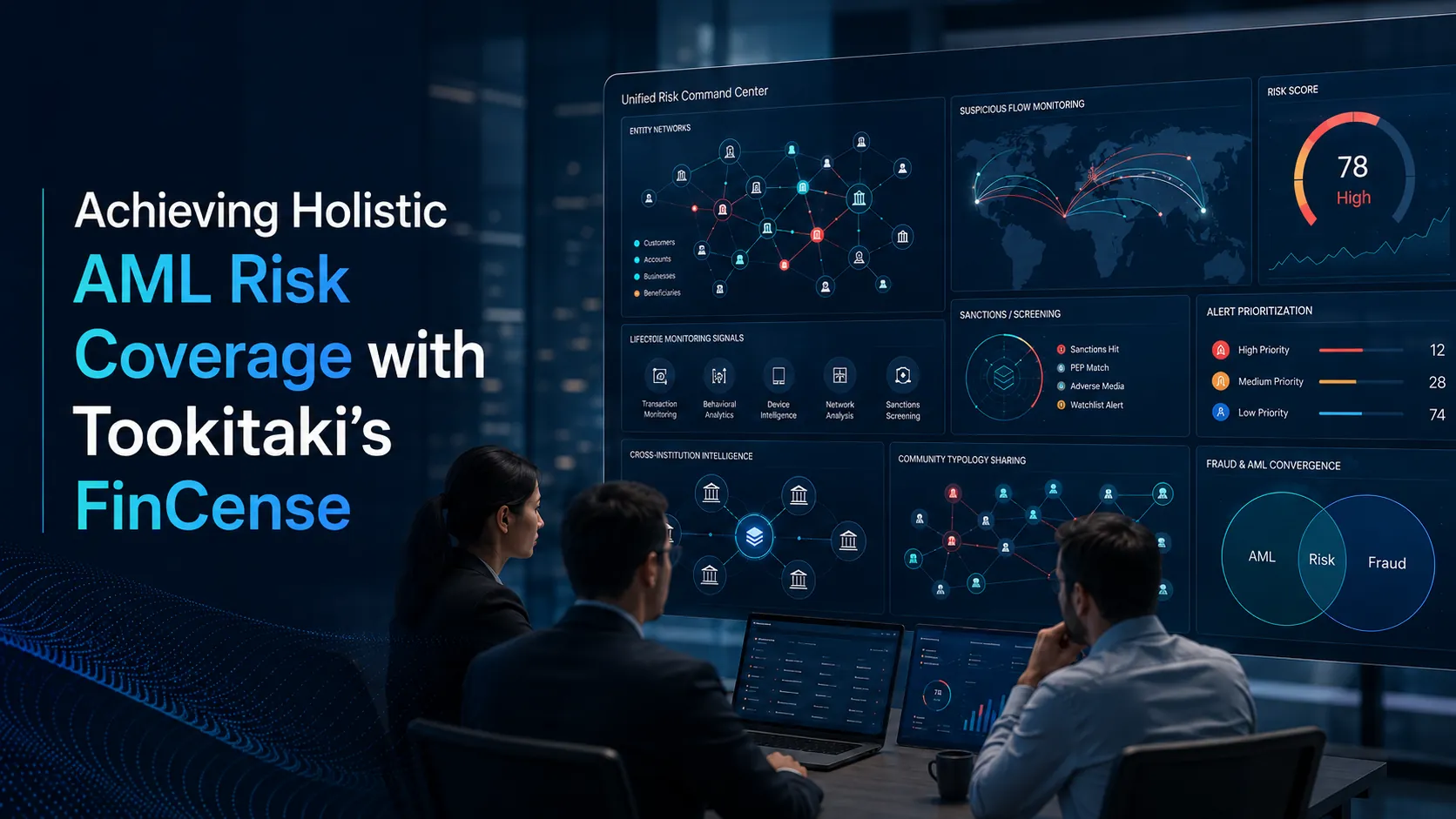
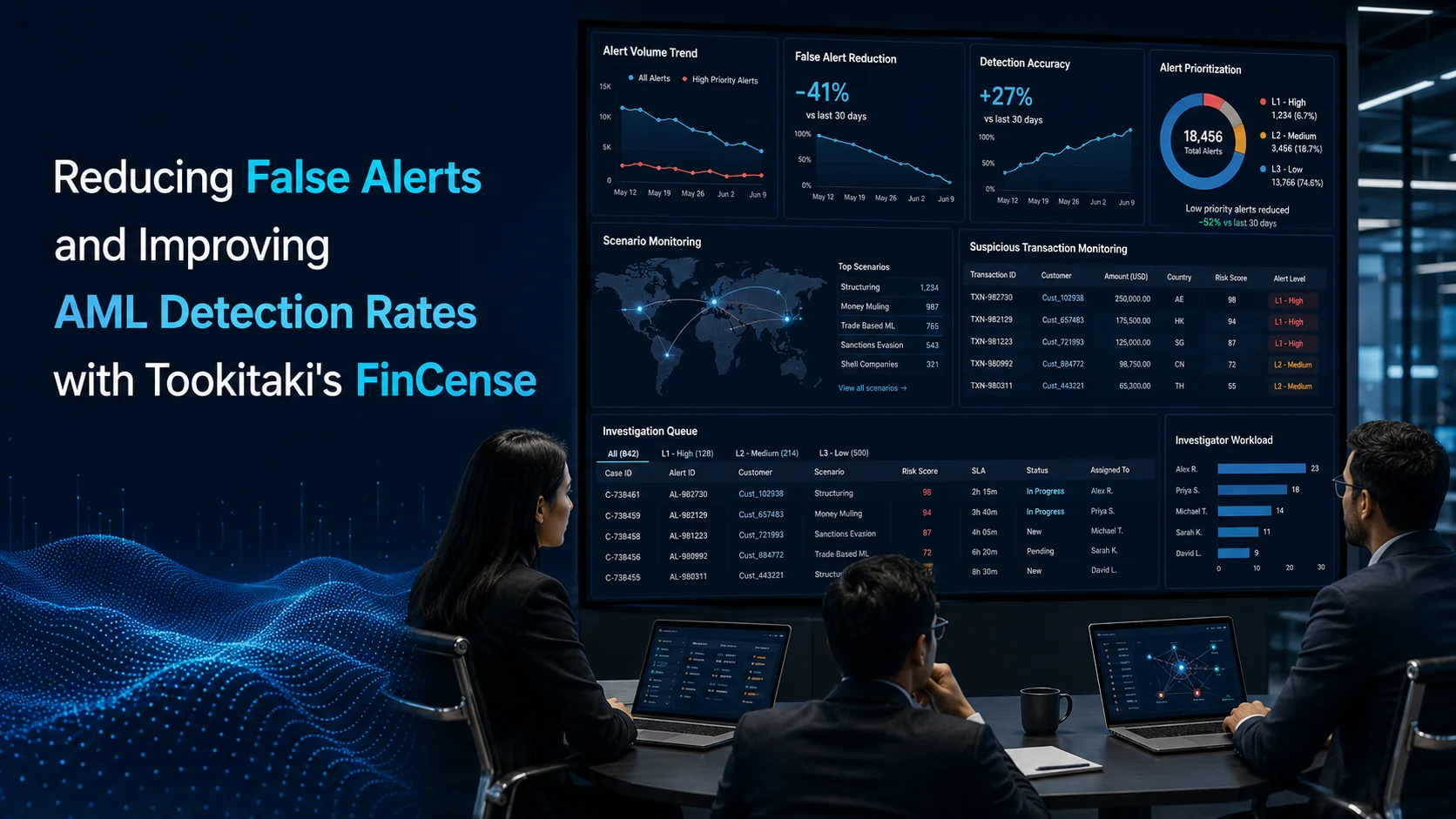
Reducing False Alerts and Improving AML Detection Rates with Tookitaki's FinCense
False positives overwhelm AML compliance teams while genuine financial crime goes undetected. Tookitaki addresses this two ways: an Alert Prioritization AI Agent that works on top of any legacy system, and FinCense Transaction Monitoring with scenario-based detection and automated threshold tuning.
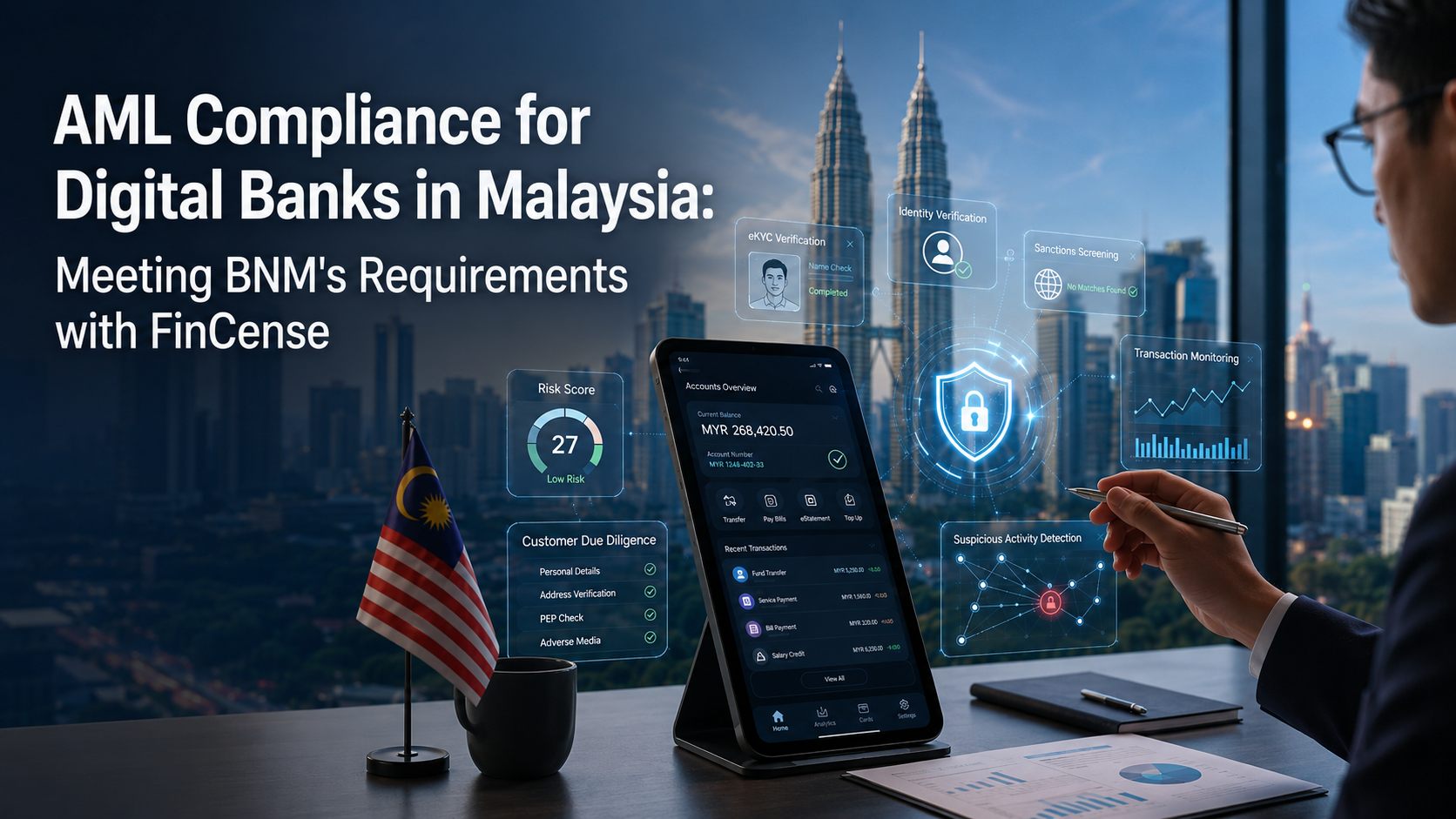
AML Compliance for Digital Banks in Malaysia: Meeting BNM's Requirements with FinCense
Malaysia's digital banks face BNM's 2023 AML/CFT Policy Document, FATF's updated recommendations, and mounting pressure on eKYC and transaction monitoring standards. Here is how FinCense addresses these requirements.

Living Under the STR Clock: The Growing Pressure on AML Investigators
AML investigators face increasing pressure to make Suspicious Transaction Report decisions under tight timelines and growing alert volumes. Explore the challenges behind STR reporting and the shift toward intelligence-led investigations.

