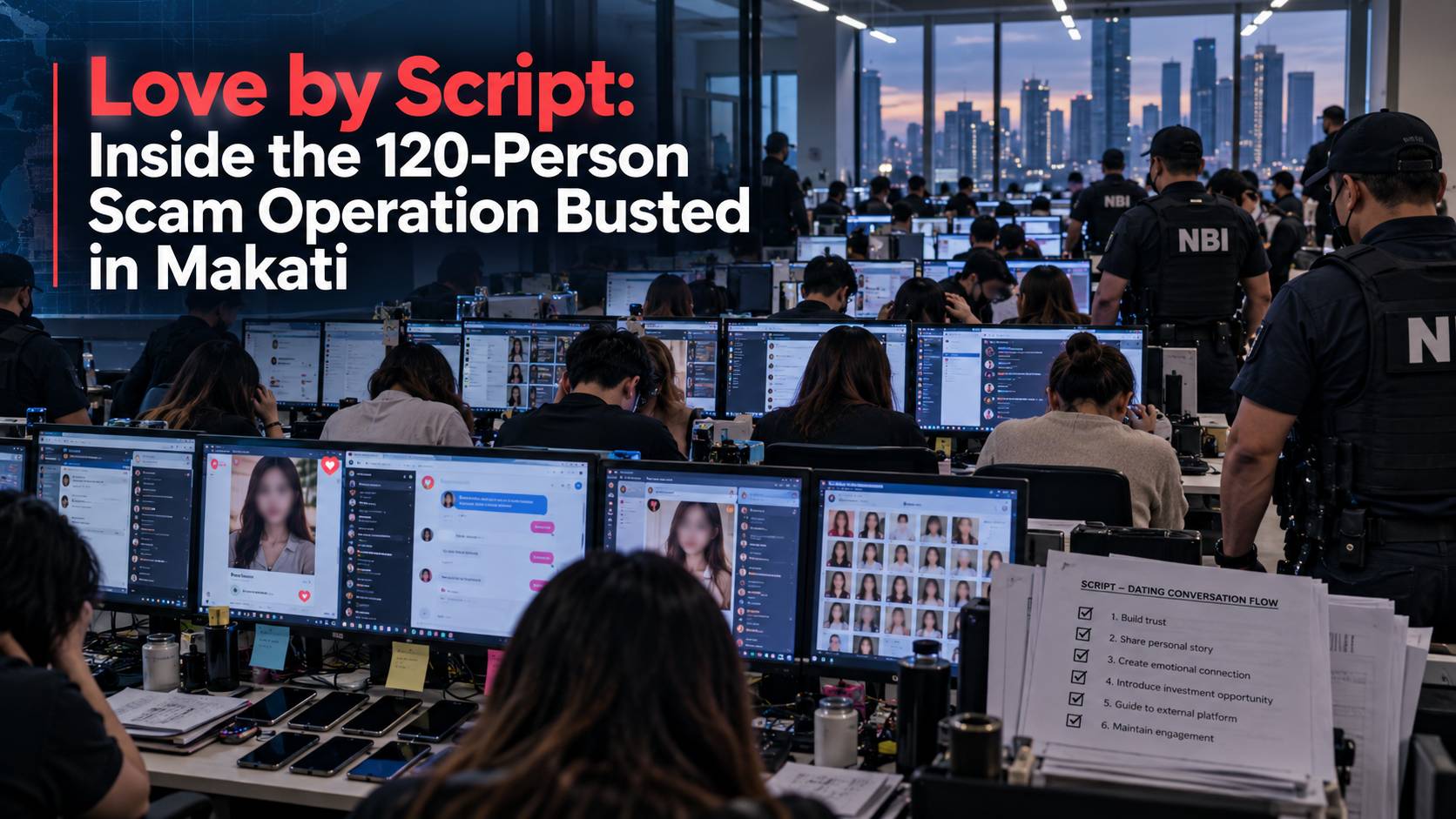
Anti Fraud Tools: What They Actually Do Inside a Bank
.svg)
Anti fraud tools are not shiny dashboards or alert engines. They are decision systems working under constant pressure, every second of every day.
Introduction
Anti fraud tools are often described as if they were shields. Buy the right technology, deploy the right rules, and fraud risk is contained. In practice, fraud prevention inside a bank looks very different.
Fraud does not arrive politely. It moves quickly, exploits customer behaviour, adapts to controls, and takes advantage of moments when systems or people hesitate. Anti fraud tools sit at the centre of this environment, making split-second decisions that affect customers, revenue, and trust.
This blog looks past vendor brochures and feature lists to examine what anti fraud tools actually do inside a bank. Not how they are marketed, but how they operate day to day, where they succeed, where they struggle, and what strong fraud capability really looks like in practice.

Anti Fraud Tools Are Decision Engines, Not Detection Toys
At their core, anti fraud tools exist to answer one question.
Is this activity safe to allow right now?
Every fraud decision carries consequences. Block too aggressively and genuine customers are frustrated. Allow too freely and fraud losses escalate. Anti fraud tools constantly balance this tension.
Unlike many compliance controls, fraud systems often operate in real time. They must make decisions before money moves, accounts are accessed, or payments are authorised. There is no luxury of post-event investigation.
This makes anti fraud tools fundamentally different from many other risk systems.
Where Anti Fraud Tools Sit in the Bank
Inside a bank, anti fraud tools are deeply embedded across customer journeys.
They operate across:
- Card payments
- Online and mobile banking
- Account logins
- Password resets
- Payee changes
- Domestic transfers
- Real time payments
- Merchant transactions
Most customers interact with anti fraud tools without ever knowing it. A transaction approved instantly. A login flagged for extra verification. A payment delayed for review. These are all outputs of fraud decisioning.
When fraud tools work well, customers barely notice them. When they fail, customers notice immediately.
What Anti Fraud Tools Actually Do Day to Day
Anti fraud tools perform a set of core functions continuously.
1. Monitor behaviour in real time
Fraud rarely looks suspicious in isolation. It reveals itself through behaviour.
Anti fraud tools analyse:
- Login patterns
- Device usage
- Location changes
- Transaction timing
- Velocity of actions
- Sequence of events
A single transfer may look normal. A login followed by a password reset, a new payee addition, and a large payment within minutes tells a very different story.
2. Score risk continuously
Rather than issuing a single verdict, anti fraud tools often assign risk scores that change as behaviour evolves.
A customer might be low risk one moment and high risk the next based on:
- New device usage
- Unusual transaction size
- Changes in beneficiary details
- Failed authentication attempts
These scores guide whether activity is allowed, challenged, delayed, or blocked.
3. Trigger interventions
Anti fraud tools do not just detect. They intervene.
Interventions can include:
- Stepping up authentication
- Blocking transactions
- Pausing accounts
- Requiring manual review
- Alerting fraud teams
Each intervention must be carefully calibrated. Too many challenges frustrate customers. Too few create exposure.
4. Support fraud investigations
Not all fraud can be resolved automatically. When cases escalate, anti fraud tools provide investigators with:
- Behavioural timelines
- Event sequences
- Device and session context
- Transaction histories
- Risk indicators
The quality of this context determines how quickly teams can respond.
5. Learn from outcomes
Effective anti fraud tools improve over time.
They learn from:
- Confirmed fraud cases
- False positives
- Customer disputes
- Analyst decisions
This feedback loop is essential to staying ahead of evolving fraud tactics.
Why Fraud Is Harder Than Ever to Detect
Banks face a fraud landscape that is far more complex than a decade ago.
Customers are the new attack surface
Many fraud cases involve customers being tricked rather than systems being hacked. Social engineering has shifted risk from technology to human behaviour.
Speed leaves little room for correction
With instant payments and real time authorisation, fraud decisions must be right the first time.
Fraud and AML are increasingly connected
Scam proceeds often flow into laundering networks. Fraud detection cannot operate in isolation from broader financial crime intelligence.
Criminals adapt quickly
Fraudsters study controls, test thresholds, and adjust behaviour. Static rules lose effectiveness rapidly.
Where Anti Fraud Tools Commonly Fall Short
Even well funded fraud programs encounter challenges.
Excessive false positives
Rules designed to catch everything often catch too much. This leads to customer friction, operational overload, and declining trust in alerts.
Siloed data
Fraud tools that cannot see across channels miss context. Criminals exploit gaps between cards, payments, and digital banking.
Over reliance on static rules
Rules are predictable. Criminals adapt. Without behavioural intelligence, fraud tools fall behind.
Poor explainability
When analysts cannot understand why a decision was made, tuning becomes guesswork and trust erodes.
Disconnected fraud and AML teams
When fraud and AML operate in silos, patterns that span both domains remain hidden.

What Strong Anti Fraud Capability Looks Like in Practice
Banks with mature fraud programs share several characteristics.
Behaviour driven detection
Rather than relying solely on thresholds, strong tools understand normal behaviour and detect deviation.
Real time decisioning
Fraud systems operate at the speed of transactions, not in overnight batches.
Clear intervention strategies
Controls are tiered. Low risk activity flows smoothly. Medium risk triggers challenges. High risk is stopped decisively.
Analyst friendly investigations
Fraud teams see clear timelines, risk drivers, and supporting evidence without digging through multiple systems.
Continuous improvement
Models and rules evolve constantly based on new fraud patterns and outcomes.
The Intersection of Fraud and AML
Although fraud and AML serve different objectives, they increasingly intersect.
Fraud generates illicit funds.
AML tracks how those funds move.
When fraud tools detect:
- Scam victim behaviour
- Account takeover
- Mule recruitment activity
That intelligence becomes critical for AML monitoring downstream.
Banks that integrate fraud insights into AML systems gain a stronger view of financial crime risk.
Technology’s Role in Modern Anti Fraud Tools
Modern anti fraud tools rely on a combination of capabilities.
- Behavioural analytics
- Machine learning models
- Device intelligence
- Network analysis
- Real time processing
- Analyst feedback loops
The goal is not to replace human judgement, but to focus it where it matters most.
How Banks Strengthen Anti Fraud Capability Without Increasing Friction
Strong fraud programs focus on balance.
Reduce noise first
Lowering false positives improves both customer experience and analyst effectiveness.
Invest in explainability
Teams must understand why decisions are made to tune systems effectively.
Unify data sources
Fraud decisions improve when systems see the full customer journey.
Coordinate with AML teams
Sharing intelligence reduces blind spots and improves overall financial crime detection.
Where Tookitaki Fits in the Fraud Landscape
While Tookitaki is known primarily for AML and financial crime intelligence, its approach recognises the growing convergence between fraud and money laundering risk.
By leveraging behavioural intelligence, network analysis, and typology driven insights, Tookitaki’s FinCense platform helps institutions:
- Identify scam related behaviours early
- Detect mule activity that begins with fraud
- Share intelligence across the financial crime lifecycle
- Strengthen coordination between fraud and AML teams
This approach supports Australian institutions, including community owned banks such as Regional Australia Bank, in managing complex, cross-domain risk more effectively.
The Direction Anti Fraud Tools Are Heading
Anti fraud tools are evolving in three key directions.
More intelligence, less friction
Better detection means fewer unnecessary challenges for genuine customers.
Closer integration with AML
Fraud insights will increasingly inform laundering detection and vice versa.
Greater use of AI assistance
AI will help analysts understand cases faster, not replace them.
Conclusion
Anti fraud tools are often misunderstood as simple alert engines. In reality, they are among the most critical decision systems inside a bank, operating continuously at the intersection of risk, customer experience, and trust.
Strong anti fraud capability does not come from more rules or louder alerts. It comes from intelligent detection, real time decisioning, clear explainability, and close coordination with broader financial crime controls.
Banks that understand what anti fraud tools actually do, and design their systems accordingly, are better positioned to protect customers, reduce losses, and operate confidently in an increasingly complex risk environment.
Because in modern banking, fraud prevention is not a feature.
It is a discipline.
Experience the most intelligent AML and fraud prevention platform
Experience the most intelligent AML and fraud prevention platform
Experience the most intelligent AML and fraud prevention platform
Top AML Scenarios in ASEAN
The Role of AML Software in Compliance
The Role of AML Software in Compliance