AML Software Providers in Singapore: Who’s Leading the Charge in 2025?
.svg)
Choosing the right AML software provider could be the difference between catching criminals — or getting caught off guard.
In Singapore’s highly regulated financial landscape, where MAS scrutiny meets cross-border complexity, financial institutions can’t afford to work with outdated or underpowered AML systems. The stakes are high: scam syndicates are growing more sophisticated, regulatory demands are tightening, and operational costs are ballooning.
In this blog, we break down what makes an AML software provider truly industry-leading, explore how Singaporean institutions are choosing their compliance partners, and spotlight the key players setting the standard in 2025.

The Rise of AML Software in Singapore
Singapore is one of Asia’s most advanced financial hubs, which also makes it a prime target for sophisticated money laundering networks. In recent years, local and international banks, digital payment firms, and fintechs have faced mounting pressure to modernise their AML systems — and many are turning to specialist providers.
This demand has created a competitive AML software market. Providers are now racing to deliver not just compliance, but intelligence — helping institutions detect emerging threats faster and act with confidence.
What Do AML Software Providers Offer?
AML software providers build and maintain the platforms that automate and support critical compliance activities across the financial crime lifecycle.
Key functions typically include:
- Customer Due Diligence (CDD): Onboarding risk assessments and periodic reviews
- Sanctions & PEP Screening: Name matching against global watchlists
- Transaction Monitoring: Rule- and typology-based detection of suspicious behaviour
- Case Management: Alert investigation workflows and documentation
- Suspicious Transaction Reporting (STR): Filing STRs to regulators like STRO
- Audit & Governance Tools: Ensuring traceability and internal oversight
Modern AML providers now integrate AI, machine learning, and even Generative AI agents into these functions to improve speed and accuracy.
Why AML Software Provider Choice Matters
Not all platforms are created equal — and choosing the wrong one can lead to:
- High false positives, wasting team hours
- Missed red flags and regulatory scrutiny
- Long onboarding timelines
- Manual, error-prone investigation processes
- Inability to meet MAS audit requirements
A good AML software provider doesn’t just sell you a tool — they deliver intelligence, explainability, and localised support.
Key Features to Look for in AML Software Providers
Here’s what compliance leaders in Singapore should prioritise when evaluating providers:
1. MAS Alignment and Local Compliance Support
Your AML provider should offer:
- Pre-configured workflows aligned with MAS guidelines
- GoAML-compatible STR formatting
- Automated recordkeeping for audit readiness
- Updates on local typologies, scams, and regulatory notices
2. AI-Powered Detection and Triage
The best providers go beyond rules-based alerts. They use AI to:
- Reduce false positives by learning from past investigations
- Prioritise alerts based on actual risk exposure
- Surface hidden patterns like mule networks or trade-based layering
- Simulate new scenarios before deployment
3. Typology-Based Monitoring
Leading platforms incorporate community-driven or expert-validated typologies, such as:
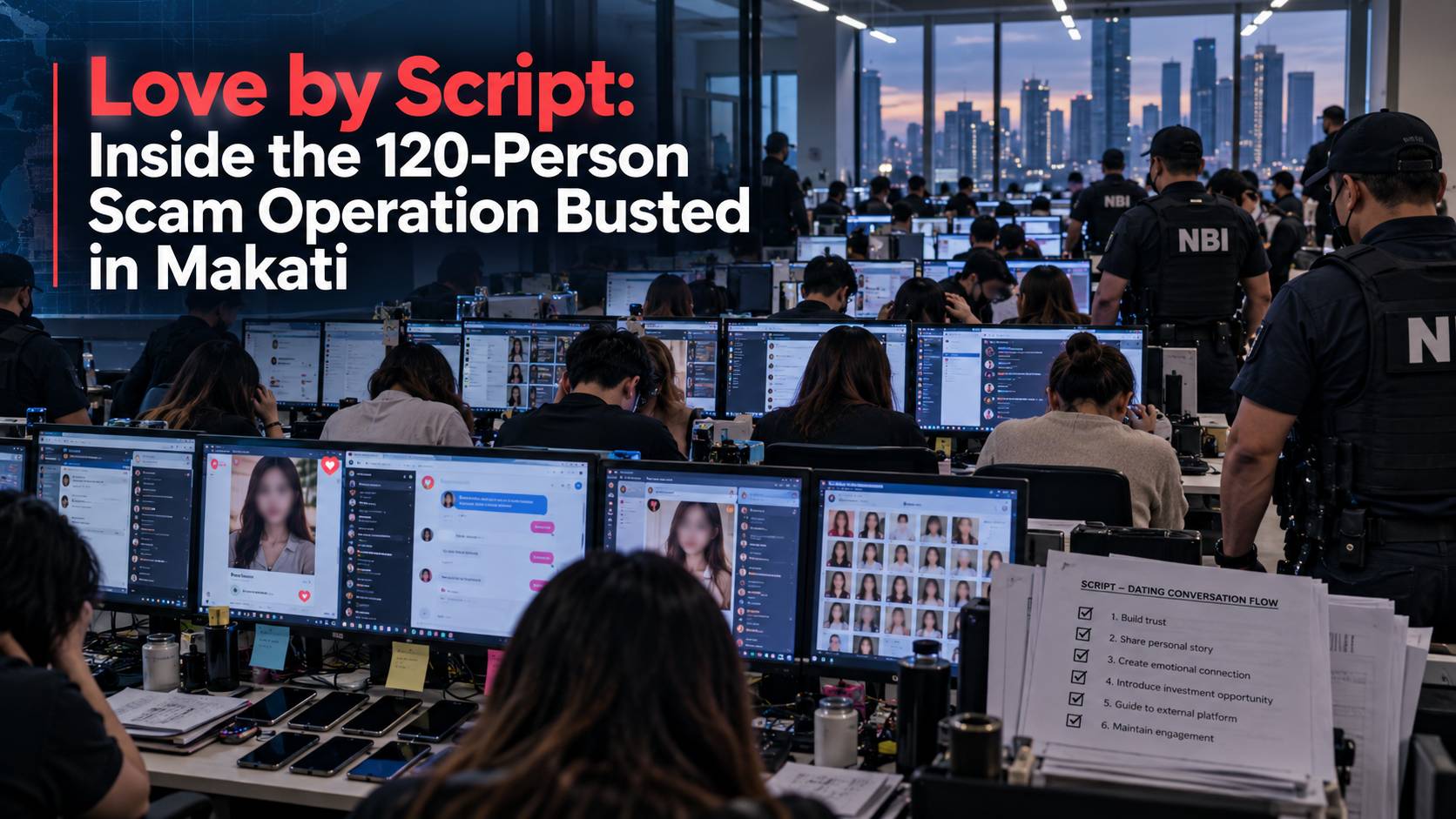
- Romance scams
- Deepfake impersonation
- QR code money laundering
- Synthetic identity fraud
This is especially important for Singapore, where scam methods evolve quickly and exploit local platforms.
4. Smart Case Management
A modern case management interface should:
- Link alerts to customer profiles, transactions, and historical data
- Offer AI-generated summaries and investigation paths
- Track resolution outcomes and investigator notes
- Facilitate quick escalation or STR submission
5. Scalability and Modularity
Whether you're a small digital bank or a regional powerhouse, your provider should offer:
- Cloud-native deployment options
- Modular features so you pay only for what you use
- Flexible integration with existing tech stack (core banking, CRM, payments)
- Local support and language customisation

The AML Software Provider Landscape in Singapore
Here’s a breakdown of the types of providers operating in Singapore and what sets each category apart.
1. Regional Powerhouses
Examples: Tookitaki, Fintelekt, CRIF
Regional players focus on Asia-Pacific challenges and offer more agile, localised services.
Pros:
- Strong understanding of MAS expectations
- Lower deployment overheads
- Faster updates on emerging typologies (e.g., pig butchering scams, RTP fraud)
Cons:
- May lack breadth of features compared to global providers
- Integration options vary
2. Specialist AI Providers
Examples: Quantexa, ThetaRay, SymphonyAI
These players emphasise graph analytics, behavioural profiling, or explainable AI to augment existing AML systems.
Pros:
- High innovation
- Complementary to traditional systems
- Can reduce alert fatigue
Cons:
- Often not end-to-end AML solutions
- Need to be integrated with core systems
3. Established Multinational Providers
These are long-standing players with large-scale deployments across global financial institutions. They offer full-suite solutions with legacy trust and broad compliance coverage.
Examples: Oracle Financial Services, NICE Actimize, FICO
Pros:
- End-to-end functionality with proven scalability
- Global regulatory mapping and multi-jurisdictional support
- Strong brand recognition with traditional banks
Cons:
- Complex integration processes and longer deployment times
- Less agility in adapting to fast-evolving local typologies
- Higher cost of ownership for mid-sized or digital-first institutions
Spotlight: Tookitaki’s FinCense Platform
Tookitaki, a Singapore-headquartered RegTech, is emerging as a top AML software provider across Asia. Its platform, FinCense, is purpose-built for the region’s financial crime challenges.
What Makes FinCense Stand Out?
- AI Copilot (FinMate): Assists analysts with contextual guidance, investigation tips, and STR narration
- Typology Repository: Constantly updated with real-world scenarios from the AFC Ecosystem
- Simulation Mode: Lets teams test new detection rules before going live
- Federated Learning: Enables banks to learn from each other without sharing sensitive data
- Rapid Deployment: Designed for modular, cloud-based rollout in weeks — not months
Singaporean banks using FinCense report:
- Up to 72% reduction in false positives
- 3.5× improvement in investigation speed
- 99% screening accuracy
These performance metrics help institutions meet compliance demands while optimising team efficiency.
Questions to Ask Before Selecting a Provider
Choosing an AML software provider is a long-term decision. Here are five key questions to ask during evaluation:
- How does your platform handle Singapore-specific risks and regulations?
- Can your system scale as our business grows across Asia?
- What AI models are in place, and how do you ensure explainability?
- Can we simulate rule changes before going live?
- Do you offer local customer support and scenario updates?
Common Mistakes to Avoid
Even experienced teams sometimes make the wrong call. Watch out for:
- Over-indexing on legacy reputation: Just because a vendor is big doesn’t mean they’re right for you.
- Ignoring AI explainability: MAS expects defensible logic behind alerts.
- Underestimating integration complexity: Choose a system that fits into your ecosystem, not one that takes a year to configure.
- Failing to look at outcomes: Ask about real metrics like false positive reduction and STR turnaround times.
Emerging Trends Among AML Providers in Singapore
1. Rise of Agentic AI
More providers are embedding AI agents that guide analysts through the investigation process, not just surface alerts.
2. Shared Intelligence Networks
Communities like the AFC Ecosystem are allowing AML systems to learn from regional patterns without compromising data.
3. End-to-End Automation
The STR filing journey — from detection to report generation — is being fully automated.
4. Embedded Compliance in Fintech
As fintechs mature, they need enterprise-grade AML that doesn’t slow down onboarding or user experience.
Conclusion: The Right Provider Is a Strategic Advantage
In 2025, AML compliance in Singapore isn’t just about meeting minimum requirements — it’s about staying one step ahead of risk. Your choice of AML software provider can determine whether your institution responds to threats reactively or proactively.
Banks, fintechs, and payments providers must look for partners who bring innovation, agility, and local intelligence to the table.
Providers like Tookitaki — with FinCense and its Agentic AI engine — are proving that compliance can be a source of confidence, not complexity.
If you're re-evaluating your AML tech stack this year, look beyond features and pricing. Look for alignment with your strategy, your market, and the future of compliance.
Experience the most intelligent AML and fraud prevention platform
Experience the most intelligent AML and fraud prevention platform
Experience the most intelligent AML and fraud prevention platform
Top AML Scenarios in ASEAN
The Role of AML Software in Compliance
The Role of AML Software in Compliance