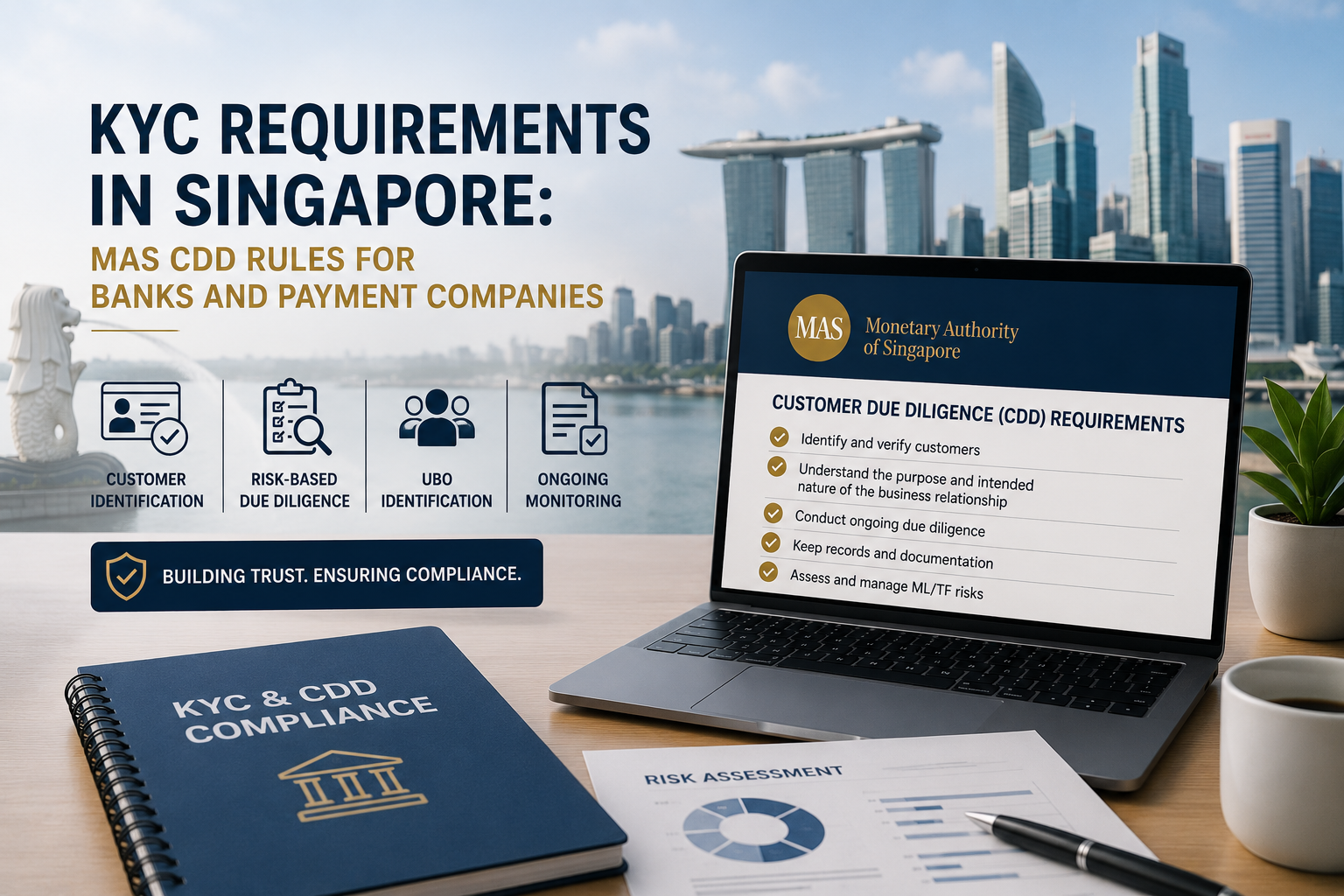
From Alert to Closure: AML Case Management Workflows in Australia
.svg)
AML effectiveness is not defined by how many alerts you generate, but by how cleanly you take one customer from suspicion to resolution.
Introduction
Australian banks do not struggle with a lack of alerts. They struggle with what happens after alerts appear.
Transaction monitoring systems, screening engines, and risk models all generate signals. Individually, these signals may be valid. Collectively, they often overwhelm compliance teams. Analysts spend more time navigating alerts than investigating risk. Supervisors spend more time managing queues than reviewing decisions. Regulators see volume, but question consistency.
This is why AML case management workflows matter more than detection logic alone.
Case management is where alerts are consolidated, prioritised, investigated, escalated, documented, and closed. It is the layer where operational efficiency is created or destroyed, and where regulatory defensibility is ultimately decided.
This blog examines how modern AML case management workflows operate in Australia, why fragmented approaches fail, and how centralised, intelligence-driven workflows take institutions from alert to closure with confidence.

Why Alerts Alone Do Not Create Control
Most AML stacks generate alerts across multiple modules:
- Transaction monitoring
- Name screening
- Risk profiling
Individually, each module may function well. The problem begins when alerts remain siloed.
Without centralised case management:
- The same customer generates multiple alerts across systems
- Analysts investigate fragments instead of full risk pictures
- Decisions vary depending on which alert is reviewed first
- Supervisors lose visibility into true risk exposure
Control does not come from alerts. It comes from how alerts are organised into cases.
The Shift from Alerts to Customers
One of the most important design principles in modern AML case management is simple:
One customer. One consolidated case.
Instead of investigating alerts, analysts investigate customers.
This shift immediately changes outcomes:
- Duplicate alerts collapse into a single investigation
- Context from multiple systems is visible together
- Decisions are made holistically rather than reactively
The result is not just fewer cases, but better cases.
How Centralised Case Management Changes the Workflow
The attachment makes the workflow explicit. Let us walk through it from start to finish.
1. Alert Consolidation Across Modules
Alerts from:
- Fraud and AML detection
- Screening
- Customer risk scoring
Flow into a single Case Manager.
This consolidation achieves two critical things:
- It reduces alert volume through aggregation
- It creates a unified view of customer risk
Policies such as “1 customer, 1 alert” are only possible when case management sits above individual detection engines.
This is where the first major efficiency gain occurs.
2. Case Creation and Assignment
Once alerts are consolidated, cases are:
- Created automatically or manually
- Assigned based on investigator role, workload, or expertise
Supervisors retain control without manual routing.
This prevents:
- Ad hoc case ownership
- Bottlenecks caused by manual handoffs
- Inconsistent investigation depth
Workflow discipline starts here.
3. Automated Triage and Prioritisation
Not all cases deserve equal attention.
Effective AML case management workflows apply:
- Automated alert triaging at L1
- Risk-based prioritisation using historical outcomes
- Customer risk context
This ensures:
- High-risk cases surface immediately
- Low-risk cases do not clog investigator queues
- Analysts focus on judgement, not sorting
Alert prioritisation is not about ignoring risk. It is about sequencing attention correctly.
4. Structured Case Investigation
Investigators work within a structured workflow that supports, rather than restricts, judgement.
Key characteristics include:
- Single view of alerts, transactions, and customer profile
- Ability to add notes and attachments throughout the investigation
- Clear visibility into prior alerts and historical outcomes
This structure ensures:
- Investigations are consistent across teams
- Evidence is captured progressively
- Decisions are easier to explain later
Good investigations are built step by step, not reconstructed at the end.
5. Progressive Narrative Building
One of the most common weaknesses in AML operations is late narrative creation.
When narratives are written only at closure:
- Reasoning is incomplete
- Context is forgotten
- Regulatory review becomes painful
Modern case management workflows embed narrative building into the investigation itself.
Notes, attachments, and observations feed directly into the final case record. By the time a case is ready for disposition, the story already exists.
6. STR Workflow Integration
When escalation is required, case management becomes even more critical.
Effective workflows support:
- STR drafting within the case
- Edit, approval, and audit stages
- Clear supervisor oversight
Automated STR report generation reduces:
- Manual errors
- Rework
- Delays in regulatory reporting
Most importantly, the STR is directly linked to the investigation that justified it.
7. Case Review, Approval, and Disposition
Supervisors review cases within the same system, with full visibility into:
- Investigation steps taken
- Evidence reviewed
- Rationale for decisions
Case disposition is not just a status update. It is the moment where accountability is formalised.
A well-designed workflow ensures:
- Clear approvals
- Defensible closure
- Complete audit trails
This is where institutions stand up to regulatory scrutiny.
8. Reporting and Feedback Loops
Once cases are closed, outcomes should not disappear into archives.
Strong AML case management workflows feed outcomes into:
- Dashboards
- Management reporting
- Alert prioritisation models
- Detection tuning
This creates a feedback loop where:
- Repeat false positives decline
- Prioritisation improves
- Operational efficiency compounds over time
This is how institutions achieve 70 percent or higher operational efficiency gains, not through headcount reduction, but through workflow intelligence.

Why This Matters in the Australian Context
Australian institutions face specific pressures:
- Strong expectations from AUSTRAC on decision quality
- Lean compliance teams
- Increasing focus on scam-related activity
- Heightened scrutiny of investigation consistency
For community-owned banks, efficient and defensible workflows are essential to sustaining compliance without eroding customer trust.
Centralised case management allows these institutions to scale judgement, not just systems.
Where Tookitaki Fits
Within the FinCense platform, AML case management functions as the orchestration layer of Tookitaki’s Trust Layer.
It enables:
- Consolidation of alerts across AML, screening, and risk profiling
- Automated triage and intelligent prioritisation
- Structured investigations with progressive narratives
- Integrated STR workflows
- Centralised reporting and dashboards
Most importantly, it transforms AML operations from alert-driven chaos into customer-centric, decision-led workflows.
How Success Should Be Measured
Effective AML case management should be measured by:
- Reduction in duplicate alerts
- Time spent per high-risk case
- Consistency of decisions across investigators
- Quality of STR narratives
- Audit and regulatory outcomes
Speed alone is not success. Controlled, explainable closure is success.
Conclusion
AML programmes do not fail because they miss alerts. They fail because they cannot turn alerts into consistent, defensible decisions.
In Australia’s regulatory environment, AML case management workflows are the backbone of compliance. Centralised case management, intelligent triage, structured investigation, and integrated reporting are no longer optional.
From alert to closure, every step matters.
Because in AML, how a case is handled matters far more than how it was triggered.
Experience the most intelligent AML and fraud prevention platform
Experience the most intelligent AML and fraud prevention platform
Experience the most intelligent AML and fraud prevention platform
Top AML Scenarios in ASEAN
The Role of AML Software in Compliance
The Role of AML Software in Compliance