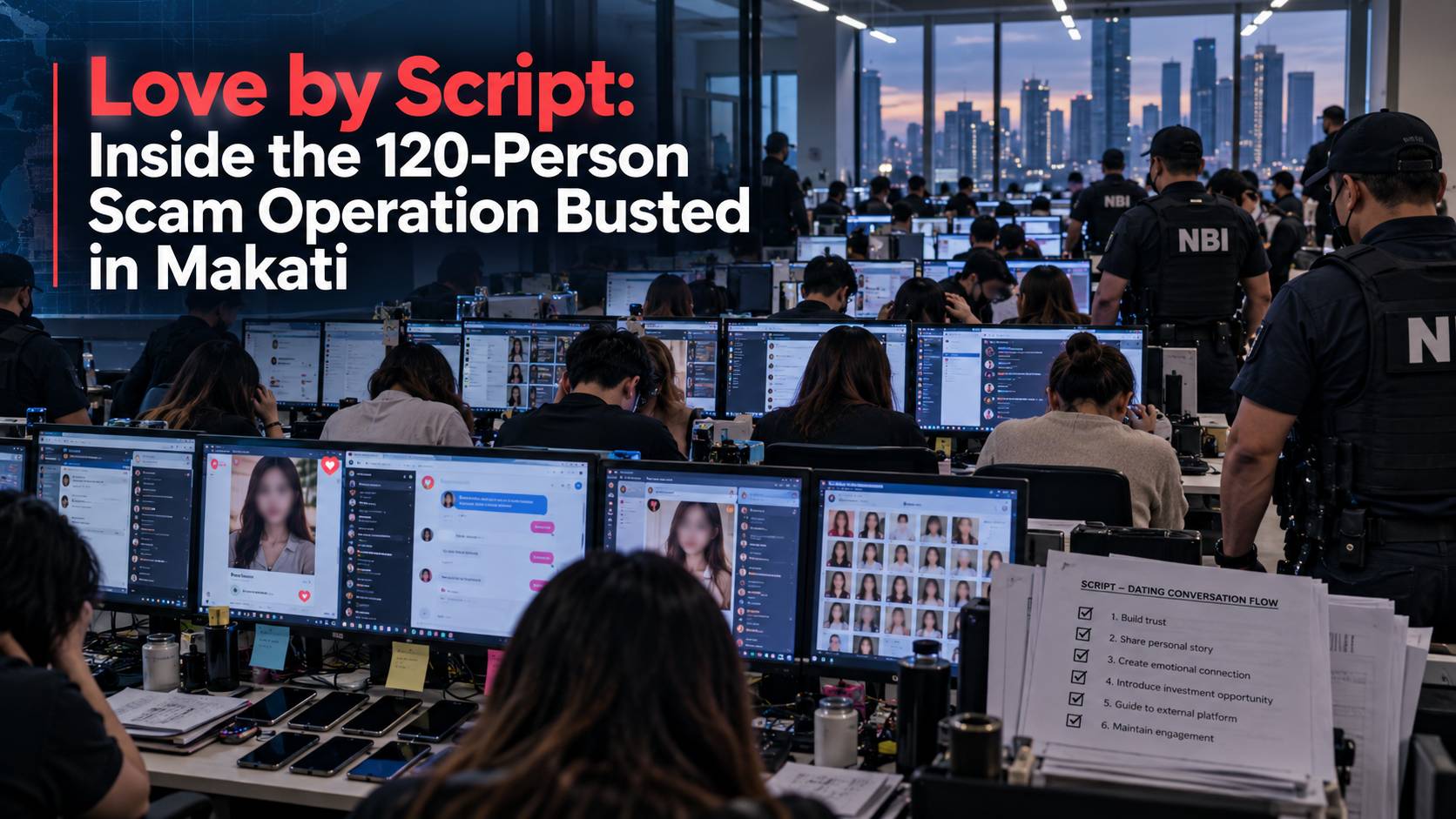
Singapore’s Secret Weapon Against Dirty Money? Smarter AML Investigation Tools
.svg)
In the fight against financial crime, investigation tools can make or break your compliance operations.
With Singapore facing growing threats from money mule syndicates, trade-based laundering, and cyber-enabled fraud, the need for precise and efficient anti-money laundering (AML) investigations has never been more urgent. In this blog, we explore how AML investigation tools are evolving to help compliance teams in Singapore accelerate detection, reduce false positives, and stay audit-ready.

What Are AML Investigation Tools?
AML investigation tools are technology solutions that assist compliance teams in detecting, analysing, documenting, and reporting suspicious financial activity. These tools bridge the gap between alert generation and action — providing context, workflow, and intelligence to identify real risk from noise.
These tools can be:
- Standalone modules within AML software
- Integrated into broader case management systems
- Powered by AI, machine learning, or rules-based engines
Why They Matter in the Singapore Context
Singapore’s financial services sector faces increasing pressure from regulators, counterparties, and the public to uphold world-class compliance standards. Investigation tools help institutions:
- Quickly triage and resolve alerts from transaction monitoring or screening systems
- Understand customer behaviour and transactional context
- Collaborate across teams for efficient case resolution
- Document decisions in a regulator-ready audit trail
Key Capabilities of Modern AML Investigation Tools
1. Alert Contextualisation
Investigators need context around each alert:
- Who is the customer?
- What’s their risk rating?
- Has this activity occurred before?
- What other products do they use?
Good tools aggregate this data into a single view to save time and prevent errors.
2. Visualisation of Transaction Patterns
Network graphs and timelines show links between accounts, beneficiaries, and geographies. These help spot circular payments, layering, or collusion.
3. Narrative Generation
AI-generated case narratives can summarise key findings and explain the decision to escalate or dismiss an alert. This saves time and ensures consistency in reporting.
4. Investigator Workflow
Assign tasks, track time-to-resolution, and route high-risk alerts to senior reviewers — all within the system.
5. Integration with STR Filing
Once an alert is confirmed as suspicious, the system should auto-fill suspicious transaction report (STR) templates for MAS submission.
Common Challenges Without Proper Tools
Many institutions still struggle with manual or legacy investigation processes:
- Copy-pasting between systems and spreadsheets
- Investigating the same customer multiple times due to siloed alerts
- Missing deadlines for STR filing
- Poor audit trails, leading to compliance risk
In high-volume environments like Singapore’s fintech hubs or retail banks, these inefficiencies create operational drag.
Real-World Example: Account Takeover Fraud via Fintech Wallets
An e-wallet provider in Singapore noticed a spike in high-value foreign exchange transactions.
Upon investigation, the team found:
- Victim accounts were accessed via compromised emails
- Wallet balances were converted into EUR/GBP instantly
- Funds were moved to mule accounts and out to crypto exchanges
Using an investigation tool with network mapping and device fingerprinting, the compliance team:
- Identified shared mule accounts across multiple victims
- Escalated the case to the regulator within 24 hours
- Blocked future similar transactions using rule updates

Tookitaki’s FinCense: Investigation Reinvented
Tookitaki’s FinCense platform provides end-to-end investigation capabilities designed for Singapore’s regulatory and operational needs.
Features That Matter:
- FinMate: An AI copilot that analyses alerts, recommends actions, and drafts case narratives
- Smart Disposition: Automatically generates case summaries and flags key findings
- Unified Case Management: Investigators work from a single dashboard that integrates monitoring, screening, and risk scoring
- MAS-Ready Reporting: Customisable templates for local regulatory formats
- Federated Intelligence: Access 1,200+ community-driven typologies from the AFC Ecosystem to cross-check against ongoing cases
Results From Tookitaki Clients:
- 72% fewer false positives
- 3.5× faster resolution times
- STR submission cycles shortened by 60%
Regulatory Expectations from MAS
Under MAS guidelines, financial institutions must:
- Have effective alert management processes
- Ensure timely investigation and STR submission
- Maintain records of all investigations and decisions
- Demonstrate scenario tuning and effectiveness reviews
A modern AML investigation tool supports all these requirements, reducing operational and audit burden.
AML Investigation and Emerging Threats
1. Deepfake-Fuelled Impersonation
Tools must validate biometric data and voiceprints to flag synthetic identities.
2. Crypto Layering
Graph-based tracing of wallet addresses is increasingly vital as laundering moves to decentralised finance.
3. Mule Account Clusters
AI-based clustering tools can identify unusual movement patterns across otherwise low-risk individuals.
4. Instant Payments Risk
Real-time investigation support is needed for PayNow, FAST, and other instant channels.
How to Evaluate a Vendor
Ask these questions:
- Can your tool integrate with our current transaction monitoring system?
- How do you handle false positive reduction?
- Do you support scenario simulation and tuning?
- Is your audit trail MAS-compliant?
- Can we import scenarios from other institutions (e.g. AFC Ecosystem)?
Looking Ahead: The Future of AML Investigations
AML investigations are evolving from reactive tasks to intelligence-led workflows. Tools are getting:
- Agentic AI: Copilots like FinMate suggest next steps, reducing guesswork
- Community-Driven: Knowledge sharing through federated systems boosts preparedness
- More Visual: Risk maps, entity graphs, and timelines help understand complex flows
- Smarter Thresholds: ML-driven dynamic thresholds reduce alert fatigue
Conclusion: Investigation is Your Last Line of Defence
In an age of instant payments, cross-border fraud, and synthetic identities, the role of AML investigation tools is mission-critical. Compliance officers in Singapore must be equipped with solutions that go beyond flagging transactions — they must help resolve them fast and accurately.
Tookitaki’s FinCense, with its AI-first approach and regulatory alignment, is redefining how Singaporean institutions approach AML investigations. It’s not just about staying compliant. It’s about staying smart, swift, and one step ahead of financial crime.
Experience the most intelligent AML and fraud prevention platform
Experience the most intelligent AML and fraud prevention platform
Experience the most intelligent AML and fraud prevention platform
Top AML Scenarios in ASEAN
The Role of AML Software in Compliance
The Role of AML Software in Compliance