

Singapore’s Financial Shield: Choosing the Right AML Compliance Software Solutions
.svg)
When trust is currency, AML compliance becomes your strongest asset.
In Singapore’s fast-evolving financial ecosystem, the battle against money laundering is intensifying. With MAS ramping up expectations and international regulators scrutinising cross-border flows, financial institutions must act decisively. Manual processes and outdated tools are no longer enough. What’s needed is a modern, intelligent, and adaptable approach—enter AML compliance software solutions.
This blog takes a close look at what makes a strong AML compliance software solution, the features to prioritise, and how Singapore’s institutions can future-proof their compliance programmes.

Why AML Compliance Software Solutions Matter in Singapore
Singapore is a major financial hub, but that status also makes it a high-risk jurisdiction for complex money laundering techniques. From trade-based laundering and shell companies to cyber-enabled fraud, financial crime threats are becoming more global, fast-moving, and tech-driven.
According to the latest MAS Money Laundering Risk Assessment, sectors like banking and cross-border payments are under increasing pressure. Institutions need:
- Real-time visibility into suspicious behaviour
- Lower false positives
- Faster reporting turnaround
- Cost-effective compliance
The right AML software offers all of this—when chosen well.
What is AML Compliance Software?
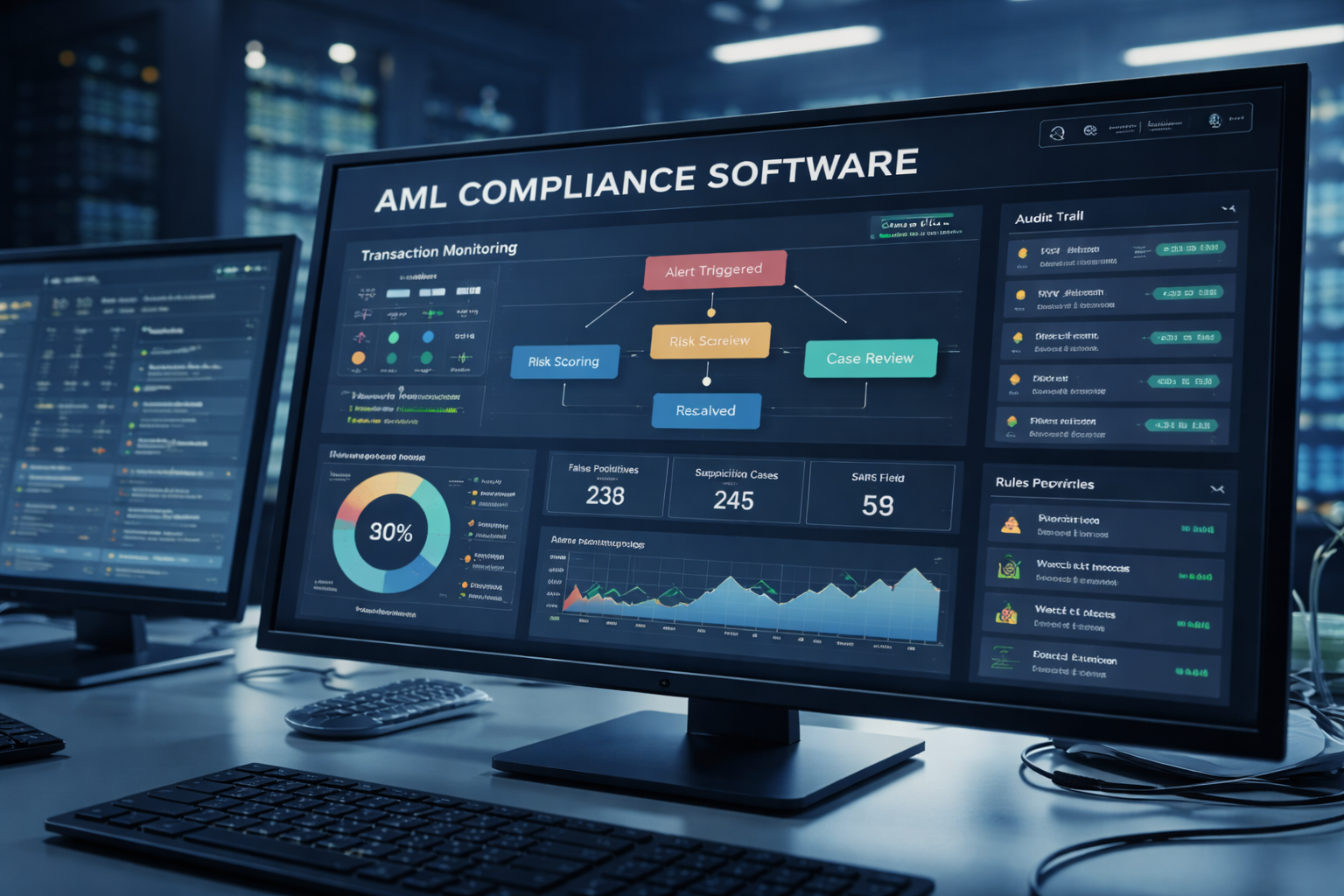
AML compliance software refers to digital platforms designed to help financial institutions detect, investigate, report, and prevent financial crime in line with regulatory requirements. These systems combine rule-based logic, machine learning, and scenario-based monitoring to provide end-to-end compliance coverage.
Key use cases include:
- Customer due diligence (CDD)
- Transaction monitoring
- Case management
- Sanctions and watchlist screening
- Regulatory reporting (STR/SAR generation)
Core Features to Look for in AML Compliance Software Solutions
Not all AML platforms are created equal. Here are the top features your solution must have:
1. Real-Time Transaction Monitoring
The ability to flag suspicious activities as they happen—especially critical in high-risk verticals such as remittance, retail banking, and digital assets.
2. Risk-Based Approach
Modern systems allow for dynamic risk scoring based on customer behaviour, transaction patterns, and geographical exposure. This enables prioritised investigations.
3. AI and Machine Learning Models
Look for adaptive learning capabilities that improve accuracy over time, helping to reduce false positives and uncover previously unseen threats.
4. Integrated Screening Engine
Your system should seamlessly screen customers and transactions against global sanctions lists, PEPs, and adverse media sources.
5. End-to-End Case Management
From alert generation to case disposition and reporting, the platform should provide a unified workflow that helps analysts move faster.
6. Regulatory Alignment
Built-in compliance with local MAS guidelines (such as PSN02, AML Notices, and STR filing requirements) is essential for institutions in Singapore.
7. Explainability and Auditability
Tools that provide clear reasoning behind alerts and decisions can ensure internal transparency and regulatory acceptance.
Common Challenges in AML Compliance
Singaporean financial institutions often face the following hurdles:
- High false positive rates
- Fragmented data systems across business lines
- Manual case reviews slowing down investigations
- Delayed or inaccurate regulatory reports
- Difficulty adjusting to new typologies or scams
These challenges aren’t just operational—they can lead to regulatory penalties, reputational damage, and lost customer trust. AML software solutions address these pain points by introducing automation, intelligence, and scalability.
How Tookitaki’s FinCense Delivers End-to-End AML Compliance
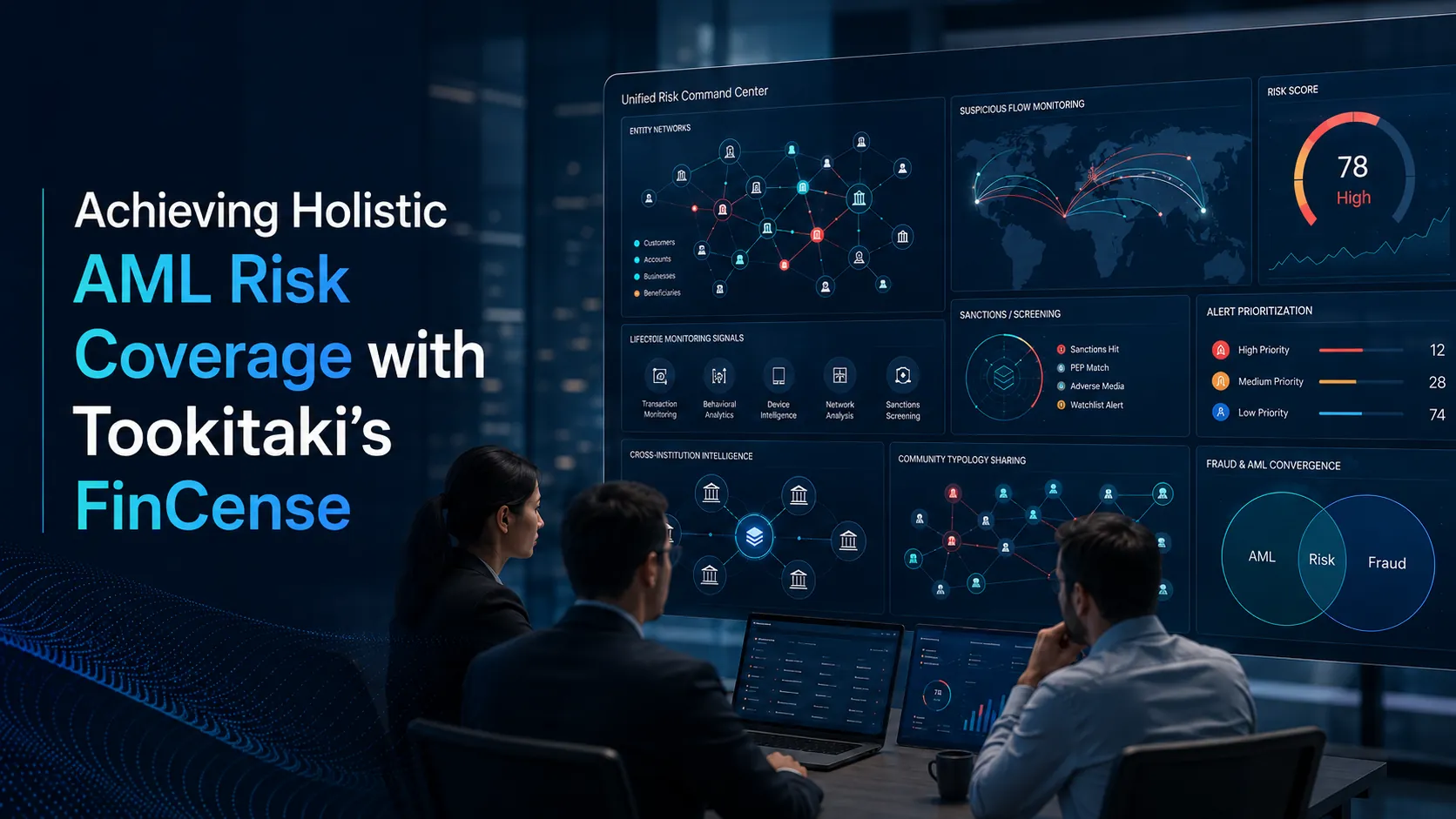
Tookitaki’s FinCense platform is purpose-built to solve compliance pain points faced by financial institutions across Singapore and the broader APAC region.
Key Benefits:
- Out-of-the-box scenarios from the AFC Ecosystem that adapt to new risk patterns
- Federated learning to improve model accuracy across institutions without compromising data privacy
- Smart Disposition Engine for automated case narration, regulatory reporting, and audit readiness
- Real-time monitoring with adaptive risk scoring and alert prioritisation
With FinCense, institutions have reported:
- 72% reduction in false positives
- 3.5x increase in analyst efficiency
- Greater regulator confidence due to better audit trails
FinCense isn’t just software—it’s a trust layer for modern financial crime prevention.
Best Practices for Evaluating AML Compliance Software
Before investing, financial institutions should ask:
- Does the software scale with your future growth and risk exposure?
- Can it localise to Singapore’s regulatory and typology landscape?
- Is the AI explainable, and is the platform auditable?
- Can it ingest external intelligence and industry scenarios?
- How quickly can you update detection rules based on new threats?
Singapore’s Regulatory Expectations
The Monetary Authority of Singapore (MAS) has emphasised risk-based, tech-enabled compliance in its guidance. Recent thematic reviews and enforcement actions have highlighted the importance of:
- Timely Suspicious Transaction Reporting (STRs)
- Strong detection of mule accounts and digital fraud patterns
- Collaboration with industry peers to address cross-institution threats
AML software is no longer just about ticking boxes—it must show effectiveness, agility, and accountability.
Conclusion: Future-Ready Compliance Begins with the Right Tools
Singapore’s compliance landscape is becoming more complex, more real-time, and more collaborative. The right AML software helps financial institutions stay one step ahead—not just of regulators, but of financial criminals.
From screening to reporting, from risk scoring to AI-powered decisioning, AML compliance software solutions are no longer optional. They are mission-critical.
Choose wisely, and you don’t just meet compliance—you build competitive trust.
Experience the most intelligent AML and fraud prevention platform
Experience the most intelligent AML and fraud prevention platform
Experience the most intelligent AML and fraud prevention platform
Top AML Scenarios in ASEAN
The Role of AML Software in Compliance
Talk to an Expert
Our Thought Leadership Guides
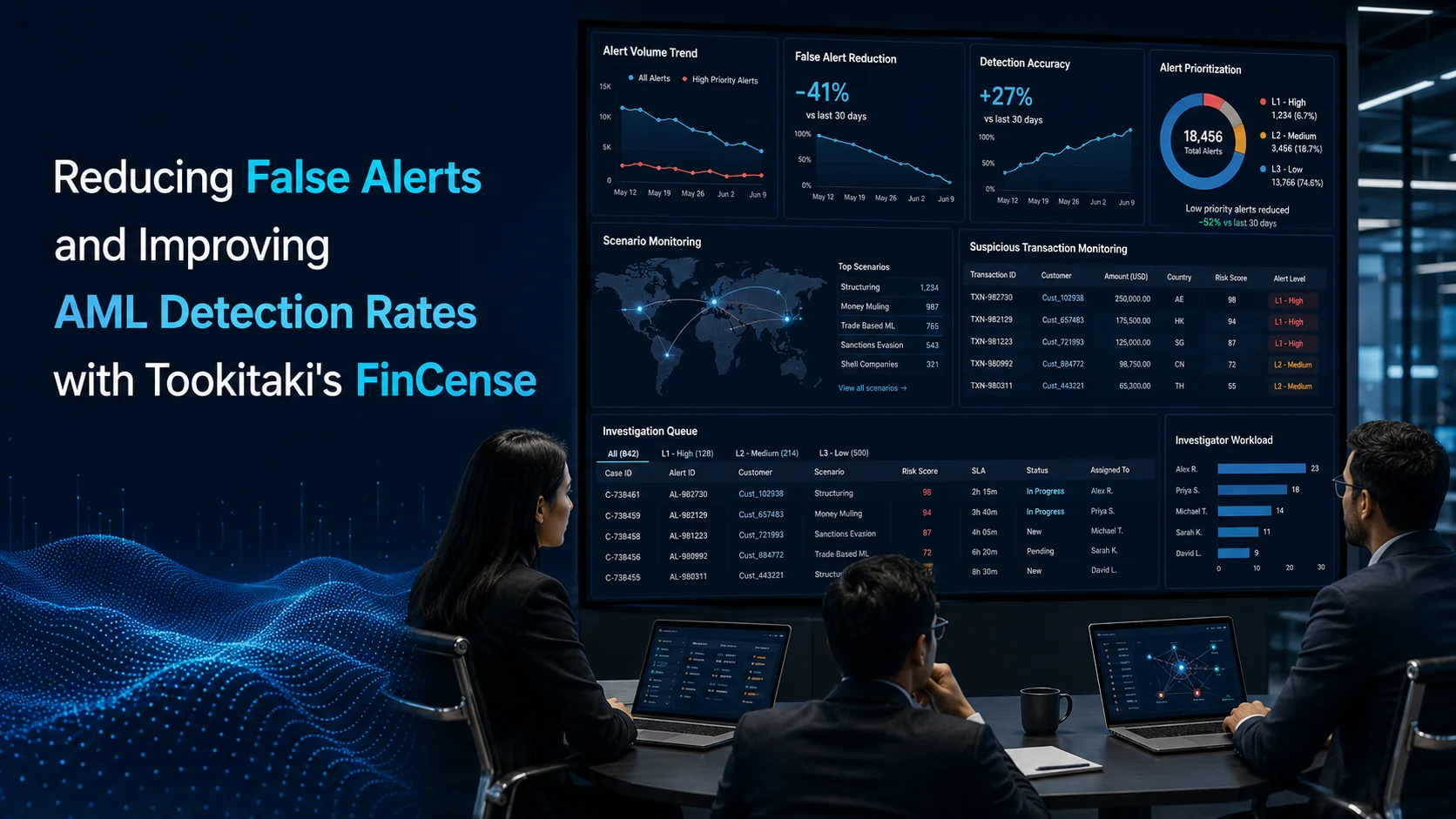
Reducing False Alerts and Improving AML Detection Rates with Tookitaki's FinCense
False positives overwhelm AML compliance teams while genuine financial crime goes undetected. Tookitaki addresses this two ways: an Alert Prioritization AI Agent that works on top of any legacy system, and FinCense Transaction Monitoring with scenario-based detection and automated threshold tuning.
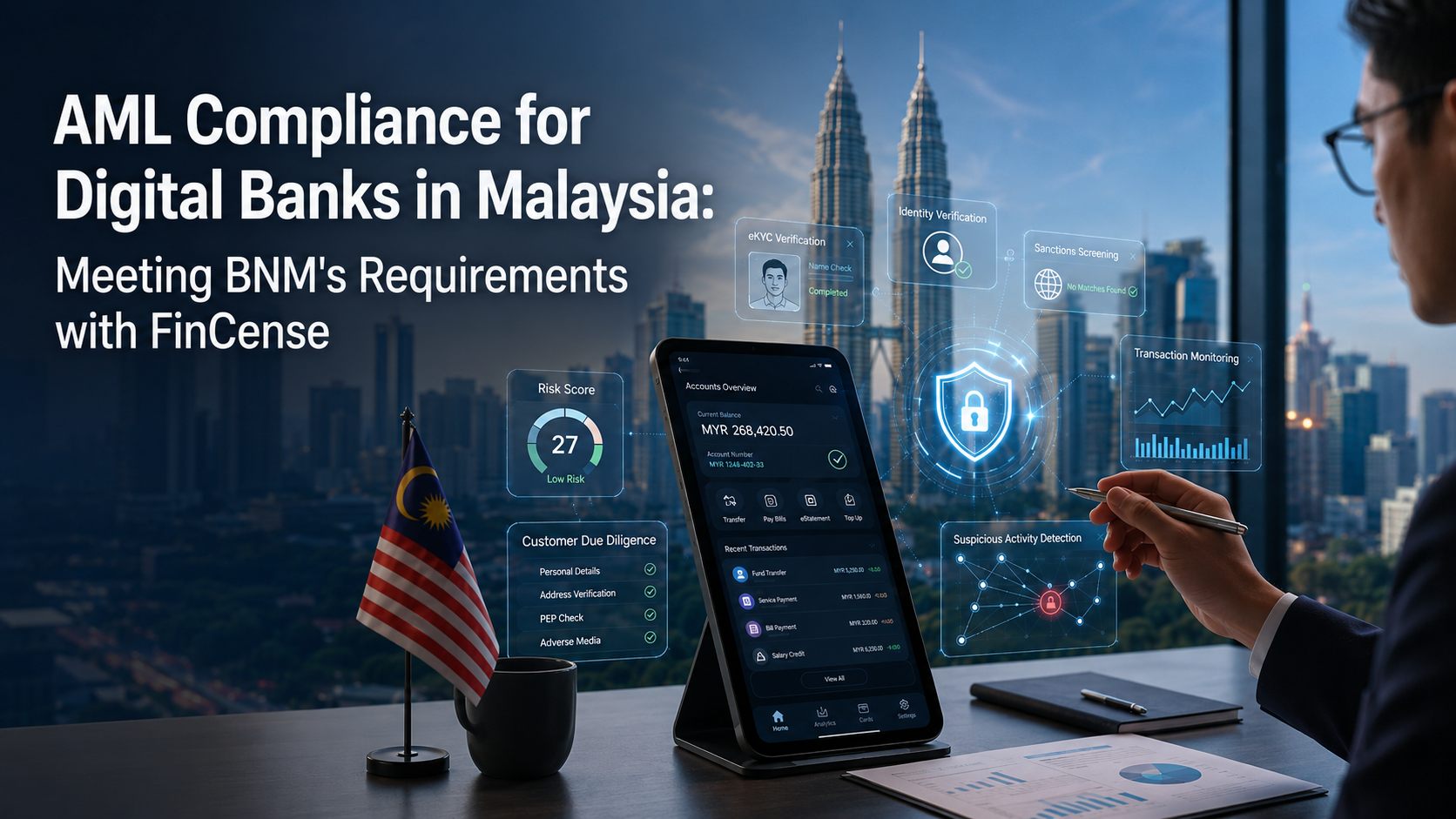
AML Compliance for Digital Banks in Malaysia: Meeting BNM's Requirements with FinCense
Malaysia's digital banks face BNM's 2023 AML/CFT Policy Document, FATF's updated recommendations, and mounting pressure on eKYC and transaction monitoring standards. Here is how FinCense addresses these requirements.

Living Under the STR Clock: The Growing Pressure on AML Investigators
AML investigators face increasing pressure to make Suspicious Transaction Report decisions under tight timelines and growing alert volumes. Explore the challenges behind STR reporting and the shift toward intelligence-led investigations.

