Stopping Fraud in Its Tracks: The Rise of Intelligent Transaction Fraud Prevention Solutions
.svg)
Fraud today moves faster than ever — your defences should too.
Introduction
Fraud has evolved into one of the fastest-moving threats in the financial ecosystem. Every second, millions of digital transactions move across payment rails — from e-wallet transfers and QR code payments to online banking and card purchases. In the Philippines, where digital adoption is soaring and consumers rely heavily on mobile-first financial services, fraudsters are exploiting every weak point in the system.
The challenge?
Traditional fraud detection tools were never designed for this world.
They depend on static rules, slow batch processes, and outdated logic. Fraudsters, meanwhile, use automation, spoofed identities, social engineering, and well-coordinated mule networks to slip through the cracks.
This is why transaction fraud prevention solutions have become mission-critical. They combine behavioural intelligence, machine learning, network analytics, and real-time decision engines to identify and stop fraud before the money moves — not after.
The financial institutions that invest in these next-generation systems aren’t just preventing losses; they are building trust, improving customer experience, and strengthening long-term resilience.

Why Transaction Fraud Is Increasing in the Philippines
The Philippines is one of Southeast Asia’s most digitally active markets, with millions of users relying on online wallets, mobile banking, and instant payments. This growth, while positive, has also created an ideal environment for fraud.
1. Rise of Social Engineering Scams
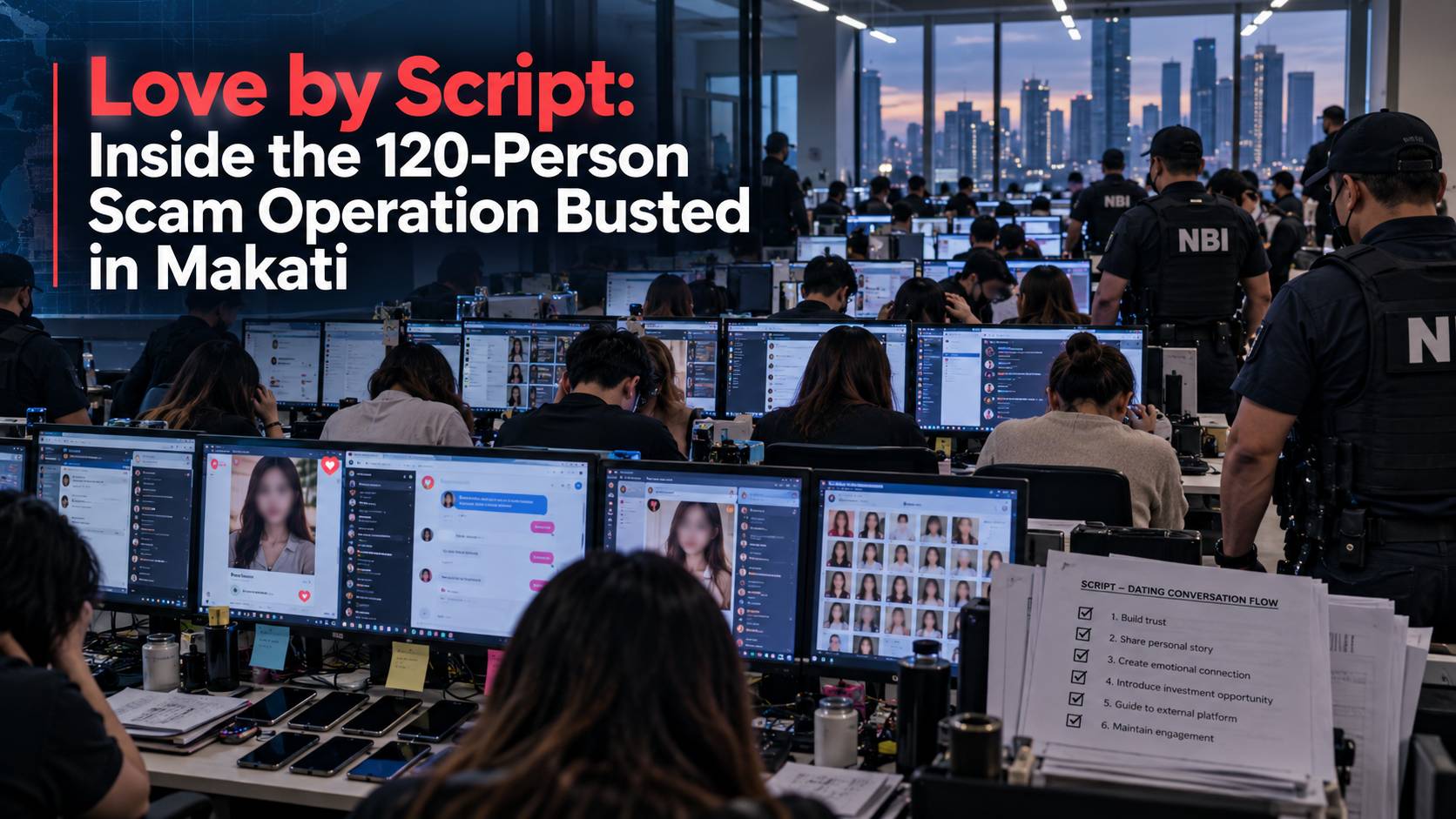
Investment scams, “love scams,” phishing, and fake customer support interactions are increasing monthly. Fraudsters now use highly convincing scripts, deepfake audio, and psychological manipulation to trick victims into authorising transactions.
2. Account Takeover (ATO) Attacks
Criminals use malware, spoofed apps, and fake KYC verification calls to steal login credentials and OTPs — allowing them to drain accounts quickly.
3. Mule Networks
Fraud rings recruit students, gig workers, and unemployed individuals to move stolen funds. These mule chains operate across multiple banks and e-wallets.
4. Rapid Remittance & Real-Time Payment Rails
Money travels instantly, leaving little room for slow manual intervention.
5. Fragmented Data Across Products
Customers transact across cards, wallets, online banking, kiosks, and over-the-counter channels — making detection harder without unified intelligence.
6. Fraud-as-a-Service
Toolkits, fake identity services, and scripted scam campaigns are now sold online, enabling low-skill criminals to execute sophisticated attacks.
The result:
Fraud is growing not only in volume but in speed, subtlety, and organisation.
What Are Transaction Fraud Prevention Solutions?
Transaction fraud prevention solutions are advanced systems designed to monitor, detect, and block fraudulent behaviour across financial transactions in real time.
They go far beyond simple rules.
They evaluate context, behaviour, relationships, and anomalies across millions of data points — instantly.
Core functions include:
- Analysing transaction patterns
- Identifying anomalies in behaviour
- Scoring fraud risk in real time
- Detecting suspicious devices or locations
- Recognising mule networks
- Applying adaptive risk-based decisioning
- Blocking or challenging high-risk activity
In short, they deliver real-time, intelligence-led protection.
Why Traditional Fraud Systems Fall Short
Legacy systems were built for a world where fraud was slower, simpler, and easier to predict.
Today’s fraud landscape breaks every assumption those systems rely on.
1. Static Rules = Easy to Outsmart
Fraud rings test, iterate, and bypass fixed rules in minutes.
2. High False Positives
Static thresholds trigger unnecessary alerts, causing:
- customer friction
- poor user experience
- operational overload
3. No Visibility Across Channels
Fraud behaviour spans:
- wallets
- online banking
- cards
- QR payments
- remittances
Traditional systems cannot correlate activity across these channels.
4. Siloed Fraud & AML Data
Fraud teams and AML teams often use separate systems — creating blind spots where criminals exploit gaps.
5. No Early Detection of Mule Activity
Legacy systems cannot detect coordinated behaviour across multiple accounts.
6. Lack of Real-Time Insight
Many older systems work on batch analysis — far too slow for instant-payment ecosystems.
Modern fraud requires modern defence — adaptive, connected, and intelligent.
Key Capabilities of Modern Transaction Fraud Prevention Solutions
Today’s best systems combine advanced analytics, behavioural intelligence, and machine learning to deliver real-time actionable insight.
1. Behaviour-Based Transaction Profiling
Instead of relying solely on static rules, modern systems learn how each customer normally behaves:
- typical spend amounts
- usual device & location
- transaction frequency
- preferred channels
- behavioural rhythms
Any meaningful deviation triggers risk scoring.
This approach catches unknown fraud patterns better than rules alone.
2. Machine Learning Models for Real-Time Decisions
ML models analyse:
- thousands of attributes per transaction
- subtle behavioural shifts
- unusual destinations
- time-of-day anomalies
- inconsistent device fingerprints
They detect anomalies invisible to human-designed rules, ensuring earlier and more precise fraud detection.
3. Network Intelligence & Mule Detection
Fraud is rarely isolated — it operates in clusters.
Network analytics identify:
- suspicious account linkages
- common devices
- shared IPs
- repeated counterparties
- transactional “hops”
This reveals mule networks and organised fraud rings early.
4. Device & Location Intelligence
Modern solutions analyse:
- device reputation
- location anomalies
- VPN or emulator usage
- SIM swaps
- multiple accounts using the same device
ATO attacks become far easier to detect.
5. Adaptive Risk Scoring
Every transaction gets a dynamic score that responds to:
- recent customer behaviour
- peer patterns
- new typologies
- velocity patterns
Adaptive scoring is more accurate than static rules — especially in fast-moving ecosystems.
6. Instant Decisioning Engines
Fraud decisions must occur within milliseconds.
AI-driven decision engines:
- approve
- challenge
- decline
- hold
- request additional verification
This real-time speed is essential for protecting customer funds.
7. Cross-Channel Fraud Correlation
Modern solutions connect data across:
- cards
- wallets
- online banking
- QR scans
- ATM usage
- remittances
Fraud rarely travels in a straight line. The system must follow it across channels.
How Tookitaki Approaches Transaction Fraud Prevention
While Tookitaki is widely recognised as a leader in AML and collaborative intelligence, it also brings advanced fraud detection capabilities that strengthen transaction-level protection.
Tookitaki’s fraud prevention strengths include:
- AI-powered fraud detection using behavioural analysis
- Mule detection through network intelligence
- Integration of AML and fraud red flags for unified risk visibility
- Real-time transaction scoring
- Case analysis summarised by FinMate, Tookitaki’s Agentic AI copilot
- Continuous typology updates inspired by global and regional intelligence
How This Helps Institutions
- Faster identification of fraud clusters
- Reduced customer friction through more accurate alerts
- Improved ability to detect scams like ATO and cash-out rings
- Stronger alignment with regulator expectations for fraud risk programmes
While Tookitaki’s core value is collective intelligence + AI, the same capabilities naturally strengthen fraud prevention — making Tookitaki a partner in both AML and fraud risk.
Case Example: Fraud Prevention in a High-Volume Digital Ecosystem
A major digital wallet provider in Southeast Asia faced:
- increasing ATO attempts
- mule account infiltration
- high refund fraud
- social engineering scams
- transaction velocity abuse
Using AI-powered transaction fraud prevention models, the institution achieved:
✔ Early detection of mule accounts
Behavioural and network analytics identified abnormal cash-flow patterns and shared device fingerprints.
✔ Significant reduction in fraud losses
Real-time scoring enabled faster blocking decisions.
✔ Lower false positives
Adaptive models reduced friction for legitimate users.
✔ Faster investigations
FinMate summarised case details, identified patterns, and supported fraud teams in minutes.
✔ Improved customer trust
Users experienced fewer account takeovers and fraudulent deductions.
While anonymised, this case reflects real trends across Philippine and ASEAN digital ecosystems — where institutions handling millions of daily transactions need intelligence that learns as fast as fraud evolves.
The AFC Ecosystem Advantage for Fraud Prevention
Even though the AFC Ecosystem was built to strengthen AML collaboration, its typologies and red-flag intelligence also enhance fraud detection strategies.
Fraud teams benefit from:
- red flags associated with mule recruitment
- cross-border scam patterns
- insights from fraud events in neighbouring countries
- scenario-driven learning
- early warning indicators posted by industry experts
This intelligence empowers financial institutions to anticipate fraud methods before they hit their own platforms.
Federated Intelligence = Stronger Fraud Prevention
Because federated learning allows pattern sharing without exposing customer data, institutions gain collective defence capabilities that fraudsters cannot easily circumvent.
Benefits of Using Modern Transaction Fraud Prevention Solutions
1. Dramatically Reduced Fraud Losses
Real-time blocking prevents financial damage before it occurs.
2. Faster Decisioning
Transactions are analysed and acted upon in milliseconds.
3. Improved Customer Experience
Fewer false positives = less friction.
4. Early Mule Detection
Network analytics identify suspicious clusters long before they mature.
5. Scalable Protection
Cloud-native systems scale effortlessly with transaction volume.
6. Lower Operational Costs
AI reduces manual review workload significantly.
7. Strengthened Regulatory Alignment
Regulators expect robust fraud risk frameworks — intelligent systems help meet these requirements.
8. Better Fraud–AML Collaboration
Unified intelligence across both domains improves accuracy and governance.
The Future of Transaction Fraud Prevention
The next era of fraud prevention will be defined by:
1. Predictive Intelligence
Systems that detect the precursors of fraud, not just the symptoms.
2. Agentic AI Copilots
AI assistants that support fraud analysts by:
- writing case summaries
- highlighting inconsistencies
- answering natural-language questions
3. Unified Fraud + AML Platforms
The convergence has already begun — fraud visibility improves AML, and AML insights improve fraud prevention.
4. Dynamic Identity Risk Scoring
Risk scoring that evolves continuously based on behavioural patterns.
5. Biometric & Behavioural Biometrics Integration
Keystroke patterns, finger pressure, navigation paths — all used to detect compromised profiles.
6. Real-Time Regulatory Insight Sharing
Future frameworks in APAC and the Philippines may support shared threat visibility across institutions.
Institutions that adopt AI-powered fraud prevention today will lead the region tomorrow.
Conclusion
Fraud is no longer a sporadic threat — it is a continuous, evolving challenge that demands real-time, intelligence-driven defence.
Transaction fraud prevention solutions give financial institutions the tools to:
- detect emerging threats
- block fraud instantly
- reduce false positives
- protect customer trust
- scale operations safely
Backed by AI, behavioural analytics, federated intelligence, and Tookitaki’s FinMate investigation copilot, modern fraud prevention systems empower institutions to stay ahead of sophisticated adversaries.
In a financial world moving at digital speed, the institutions that win will be those that invest in smarter, faster, more adaptive fraud prevention solutions.
Experience the most intelligent AML and fraud prevention platform
Experience the most intelligent AML and fraud prevention platform
Experience the most intelligent AML and fraud prevention platform
Top AML Scenarios in ASEAN
The Role of AML Software in Compliance
The Role of AML Software in Compliance