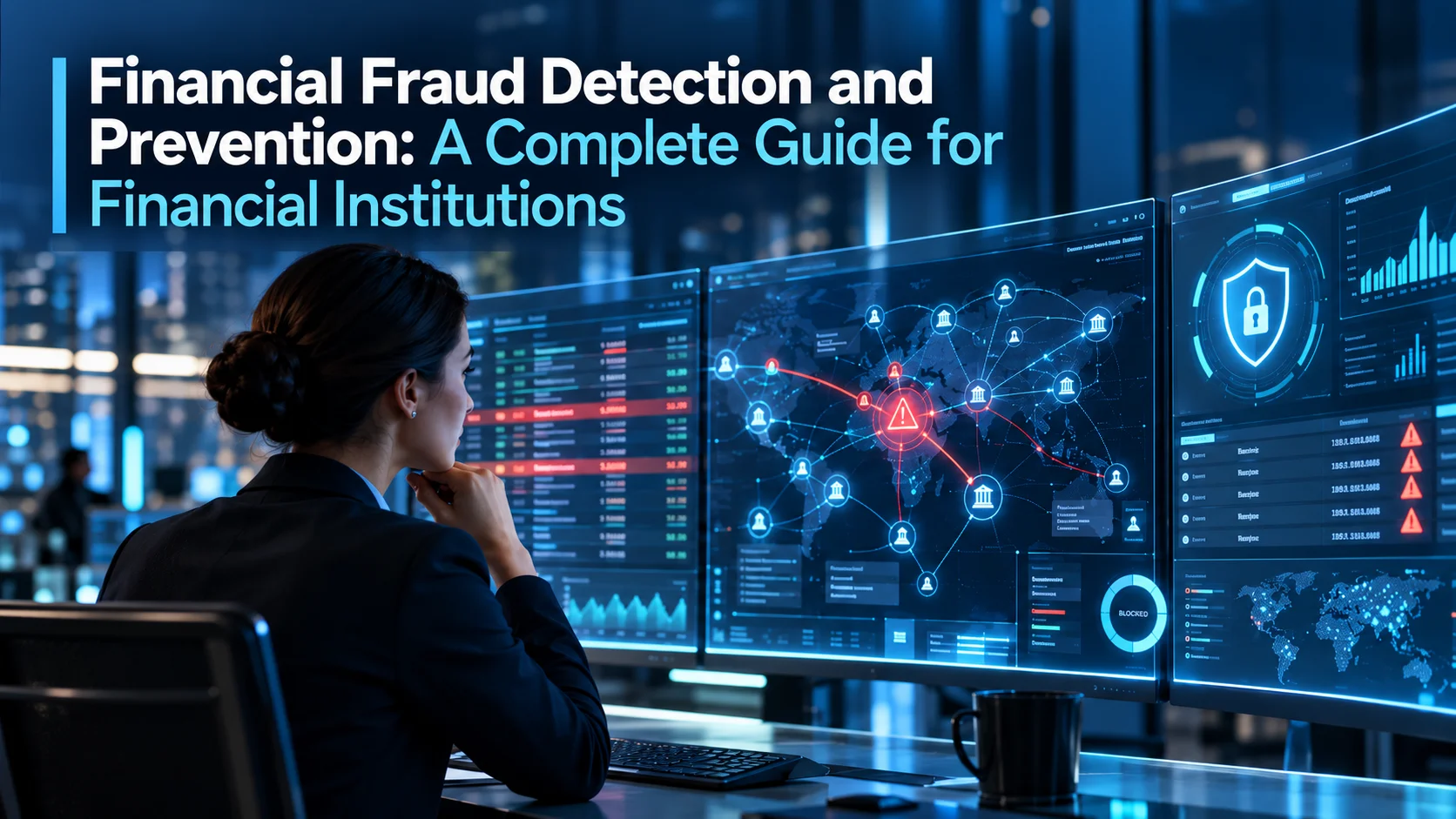
Exploring the Benefits of Payment Screening for Businesses
.svg)
In today's digital age, businesses are increasingly vulnerable to fraud and financial crimes. With the rise of online transactions and the use of credit and debit cards, it has become easier for criminals to exploit businesses and their customers. This is where payment screening comes in. By implementing payment screening processes, businesses can protect themselves and their customers from fraudulent activities. In this article, we will explore the benefits of payment screening for businesses.
Fraud Detection
The primary benefit of payment screening is its ability to detect and prevent fraud. Payment screening involves analyzing and verifying payment information to ensure that it is legitimate and not associated with any fraudulent activity. By implementing payment screening processes, businesses can identify and flag suspicious transactions, preventing potential losses and protecting their customers' sensitive information.
Payment Verification
Payment screening also helps businesses verify the authenticity of payments. With the rise of online transactions, it has become easier for criminals to use stolen credit card information to make purchases. By implementing payment screening processes, businesses can verify the identity of the person making the payment and ensure that the payment information matches the customer's identity. This helps prevent unauthorized transactions and protects both the business and the customer.
Compliance with Regulations
In many industries, businesses are required to comply with regulations and laws related to financial transactions. Payment screening helps businesses meet these compliance requirements by ensuring that all payments are legitimate and in line with regulations. This not only protects the business from potential legal consequences but also helps build trust with customers who value businesses that prioritize compliance.
{{cta-ebook}}
Cost Savings
Implementing payment screening processes can also lead to cost savings for businesses. By preventing fraudulent transactions, businesses can avoid financial losses and potential chargeback fees. Additionally, payment screening can help businesses avoid the costs associated with investigating and resolving fraudulent activities. This can ultimately lead to increased profitability for businesses.
Improved Customer Trust
In today's digital age, customers are increasingly concerned about the security of their financial information. By implementing payment screening processes, businesses can demonstrate their commitment to protecting their customers' sensitive information. This can help build trust with customers and improve their overall satisfaction with the business.
Conclusion
In conclusion, payment screening is a vital tool for businesses to safeguard themselves and their customers against fraud and financial crimes in today's digital landscape. Through fraud detection, payment verification, compliance with regulations, cost savings, and improved customer trust, businesses can enhance their security measures and build trust with their customers.
To learn more about Tookitaki's Smart Screening solution for Payment Screening and how it can benefit your business, we encourage you to reach out to our experts. Stay ahead of potential threats and ensure the safety of your financial transactions by incorporating advanced payment screening solutions into your business operations.
Experience the most intelligent AML and fraud prevention platform
Experience the most intelligent AML and fraud prevention platform
Experience the most intelligent AML and fraud prevention platform
Top AML Scenarios in ASEAN
The Role of AML Software in Compliance
The Role of AML Software in Compliance