

The New AML Engine: Technology Solutions Powering Compliance in Malaysia
.svg)
Compliance is no longer driven by rules alone. It is powered by technology.
Malaysia’s financial ecosystem is rapidly evolving. Digital banks, fintech platforms, instant payments, and cross-border financial activity are transforming how money moves across the economy. While these innovations improve customer experience and financial inclusion, they also create new opportunities for financial crime.
Money laundering networks are becoming more sophisticated. Criminals now exploit digital channels, mule accounts, shell companies, and layered transactions to move illicit funds quickly and discreetly. These activities often blend seamlessly into legitimate financial flows, making detection increasingly difficult.
For Malaysian financial institutions, traditional compliance tools are no longer enough. Modern AML technology solutions are emerging as the new engine that powers effective financial crime prevention.

The Expanding Role of AML Technology in Malaysia
Anti-money laundering programmes were once built around manual processes and basic rule-based monitoring. Compliance teams relied heavily on static thresholds, manual reviews, and siloed systems.
However, financial crime risks have evolved significantly. Today’s institutions must monitor:
- High-volume digital transactions
- Real-time payment systems
- Cross-border fund movements
- Complex customer networks
- Rapid account activity changes
These challenges require technology-driven AML solutions that can analyse large datasets and detect suspicious behaviour in real time.
AML technology solutions provide this capability by combining advanced analytics, automation, and artificial intelligence.
Why Legacy AML Systems Are No Longer Effective
Legacy AML systems were designed for slower, less complex financial environments. They typically rely on predefined rules such as:
- Transactions above fixed thresholds
- Frequent transfers between accounts
- High-risk jurisdiction flags
- Sudden increases in transaction activity
While these rules still play a role, they struggle to detect modern laundering techniques.
Criminals now use:
- Structuring below thresholds
- Multiple intermediary accounts
- Mule networks
- Rapid digital transfers
- Cross-platform fund movement
Traditional systems often generate large volumes of alerts, many of which are false positives. This increases operational workload and slows investigations.
Modern AML technology solutions address these limitations using intelligent detection techniques.
Core Components of Modern AML Technology Solutions
Artificial Intelligence and Machine Learning
AI-driven AML systems analyse transaction patterns and customer behaviour. Machine learning models continuously learn from new data, improving detection accuracy over time.
These models help identify subtle anomalies that may indicate suspicious activity.
Behavioural Monitoring
Modern AML technology solutions analyse behavioural patterns rather than relying solely on transaction thresholds.
This includes monitoring:
- Changes in transaction frequency
- New counterparties
- Geographic anomalies
- Sudden account activity spikes
Behavioural analytics improves early detection.
Network Analytics
Money laundering often involves networks of accounts. Advanced AML solutions analyse relationships between:
- Customers
- Accounts
- Transactions
- Devices
This helps identify coordinated laundering schemes.
Real-Time Monitoring
Instant payment infrastructure requires real-time detection. Modern AML platforms evaluate transactions instantly and assign risk scores.
This allows institutions to detect suspicious activity before funds move.
Convergence of Fraud and AML Technology
Fraud and money laundering are closely linked. Fraud generates illicit proceeds that are later laundered.
Modern AML technology solutions integrate fraud detection with AML monitoring. This unified approach provides better visibility into financial crime risk.
By combining fraud and AML intelligence, institutions can detect suspicious activity earlier.

Reducing False Positives with Intelligent Detection
False positives remain one of the biggest challenges in AML compliance.
Traditional systems generate large numbers of alerts that require manual investigation.
Modern AML technology solutions reduce false positives through:
- AI-driven risk scoring
- Behavioural analytics
- Multi-factor detection models
- Alert prioritisation
This improves operational efficiency and allows investigators to focus on genuine risks.
Strengthening Investigation Workflows
AML technology solutions must support the entire compliance lifecycle.
Modern platforms integrate:
- Transaction monitoring
- Screening
- Case management
- Regulatory reporting
This ensures alerts move seamlessly from detection to investigation.
Investigators can analyse suspicious activity and document findings within a unified workflow.
How Tookitaki FinCense Powers AML Technology
Tookitaki’s FinCense platform represents a new generation of AML technology solutions designed for modern financial institutions.
FinCense combines transaction monitoring, screening, risk scoring, and case management within a unified architecture. This integrated approach enables institutions to detect and investigate financial crime more effectively.
The platform uses a FRAML approach that brings together fraud detection and AML monitoring. This helps institutions identify suspicious behaviour across the entire financial crime lifecycle.
FinCense also leverages intelligence from the AFC Ecosystem, allowing institutions to stay updated with emerging financial crime typologies.
Through AI-driven detection and alert prioritisation, FinCense improves alert quality and reduces false positives. Investigators can focus on high-risk cases while automating routine reviews.
By integrating detection, investigation, and reporting, FinCense acts as a Trust Layer that strengthens financial crime compliance.
Enterprise-Grade Infrastructure and Scalability
AML technology solutions must support high transaction volumes and sensitive data.
Modern platforms provide:
- Cloud-based deployment
- Secure architecture
- High availability
- Data protection controls
- Scalable infrastructure
These capabilities ensure reliability in large financial institutions.
Strategic Importance of AML Technology Solutions
AML technology is no longer just a compliance requirement. It is a strategic capability.
Effective AML technology solutions help institutions:
- Detect financial crime earlier
- Reduce operational workload
- Improve compliance efficiency
- Strengthen regulatory reporting
- Protect customer trust
As financial ecosystems become more digital, technology-driven AML becomes essential.
The Future of AML Technology in Malaysia
AML technology solutions will continue evolving with:
- AI-powered detection models
- Real-time transaction monitoring
- Integrated fraud and AML platforms
- Collaborative intelligence sharing
- Automated investigation workflows
Financial institutions will increasingly adopt unified compliance platforms.
These platforms will serve as the core engine powering financial crime prevention.
Conclusion
Financial crime is becoming more complex as digital finance expands. Malaysian financial institutions must adopt modern AML technology solutions to stay ahead of emerging risks.
AI-driven platforms combine behavioural analytics, real-time monitoring, and intelligent workflows to detect suspicious activity more effectively.
Tookitaki’s FinCense strengthens this approach by providing a unified AML technology platform that integrates detection, investigation, and reporting.
As financial ecosystems evolve, technology will become the engine that drives effective AML compliance. Institutions that invest in intelligent AML technology today will be better prepared for tomorrow’s financial crime challenges.
Experience the most intelligent AML and fraud prevention platform
Experience the most intelligent AML and fraud prevention platform
Experience the most intelligent AML and fraud prevention platform
Top AML Scenarios in ASEAN
The Role of AML Software in Compliance
The Role of AML Software in Compliance
Talk to an Expert
Our Thought Leadership Guides

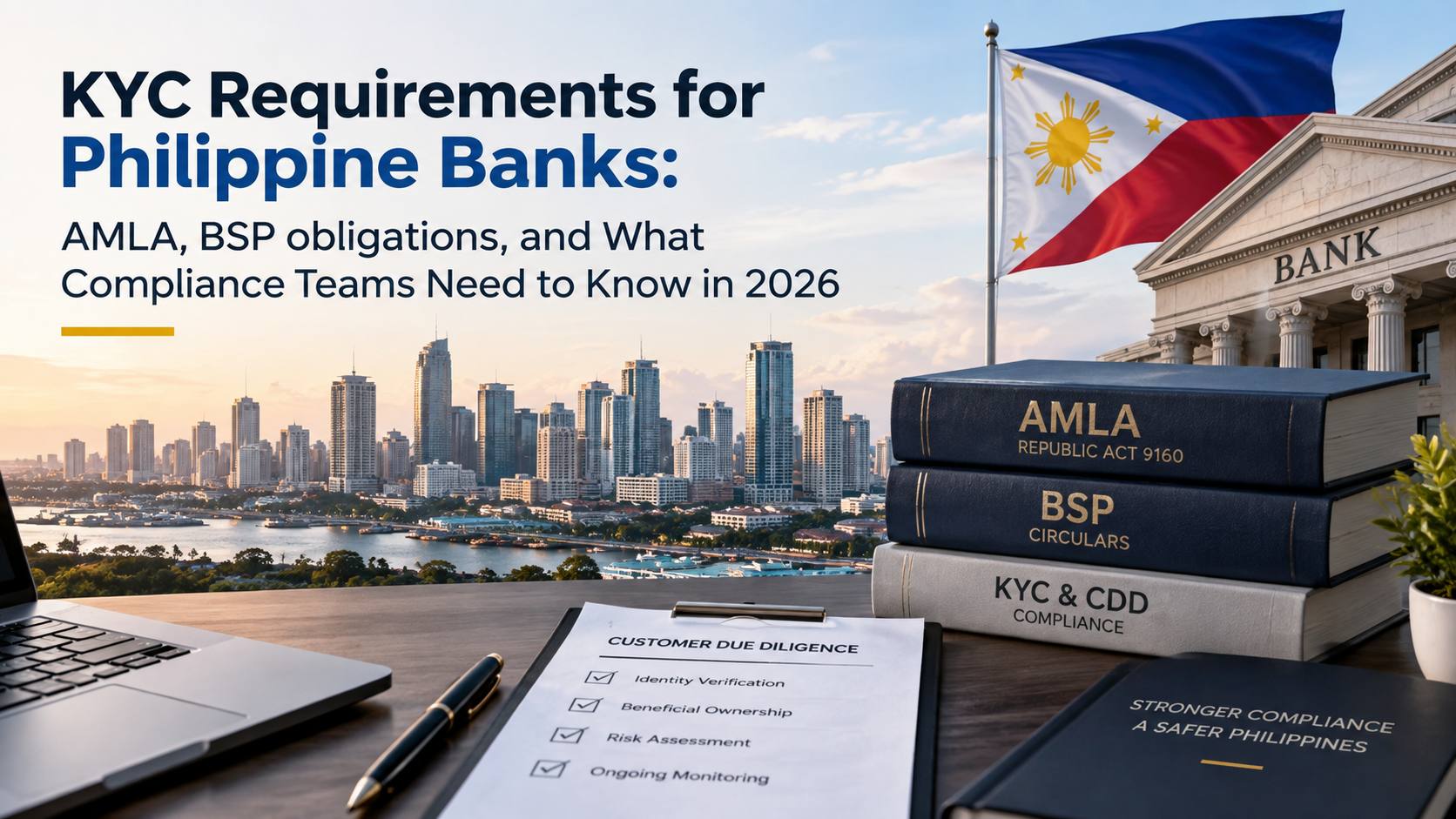
KYC Requirements for Philippine Banks: AMLA, BSP obligations, and What Compliance Teams Need to Know in 2026
The Philippines was removed from the FATF list of jurisdictions under increased monitoring in February 2025. This guide explains current AMLA and BSP KYC/CDD requirements for banks, including beneficial ownership, digital onboarding, reporting and record retention.
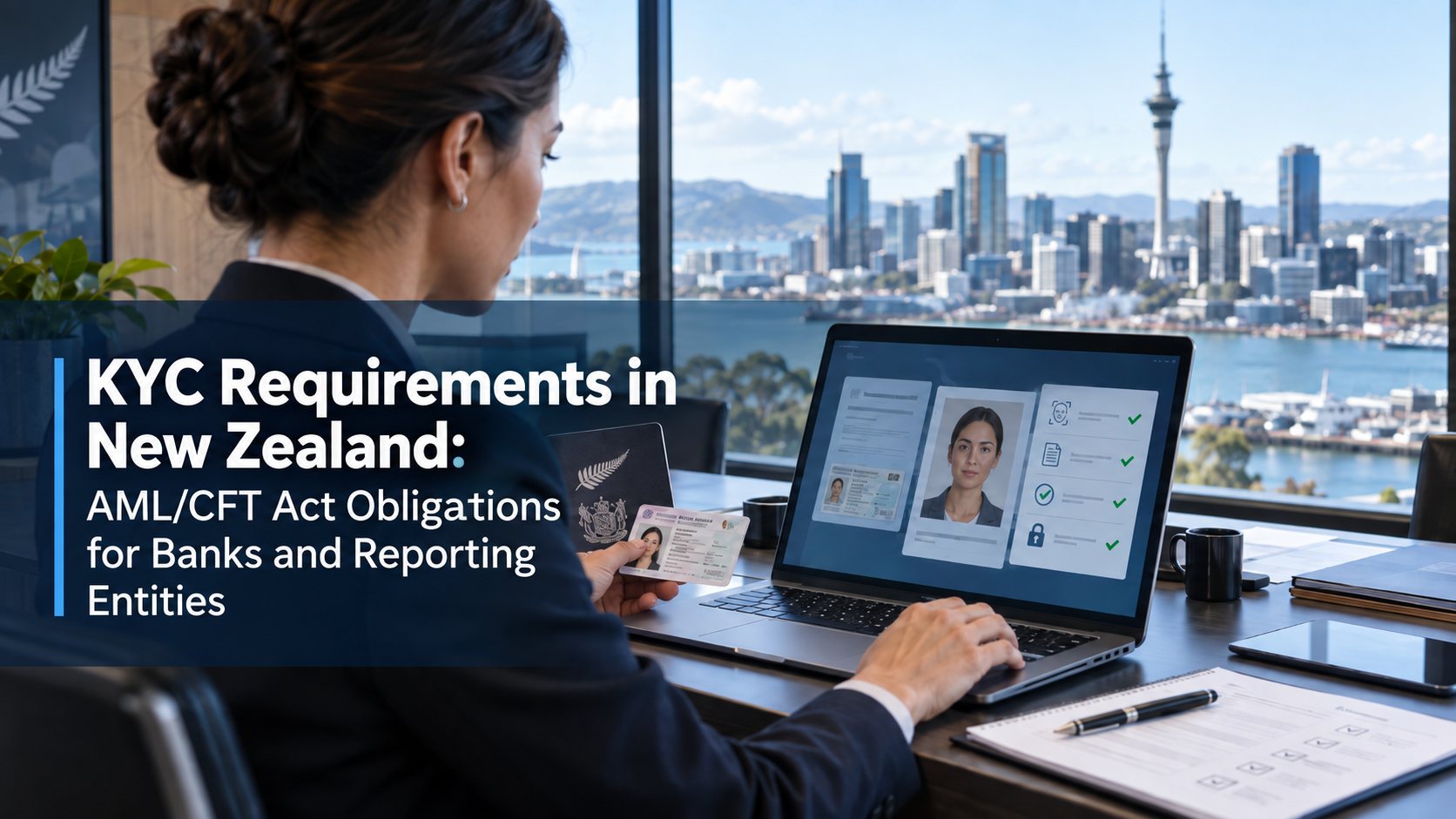
KYC Requirements for Philippine Banks: AMLA, BSP obligations, and What Compliance Teams Need to Know in 2026
The Philippines was removed from the FATF list of jurisdictions under increased monitoring in February 2025. This guide explains current AMLA and BSP KYC/CDD requirements for banks, including beneficial ownership, digital onboarding, reporting and record retention.