


Smarter Rules, Stronger Signals, and Flexible Case Ownership
This month’s FinCense updates make risk decisions more accurate, explainable, and operationally flexible.
The June 2026 release introduces CRS rules that use the latest configuration values during execution to ensure scoring and alerts reflect current business-approved settings. CRS alerts can also be included in training, giving models stronger high-risk signals for learning and validation. In Case Manager, Supervisors and Admins can now be included in assignment workflows, giving teams more flexibility in handling escalations, temporary gaps, and special review scenarios without disrupting existing controls.
CRS Rules Now Use the Latest Configuration Values (CRS + Case Manager)
CRS rules can now use latest values – maintained via configuration – at the time of execution, instead of relying on values that were captured during earlier during setup or seed data generation.
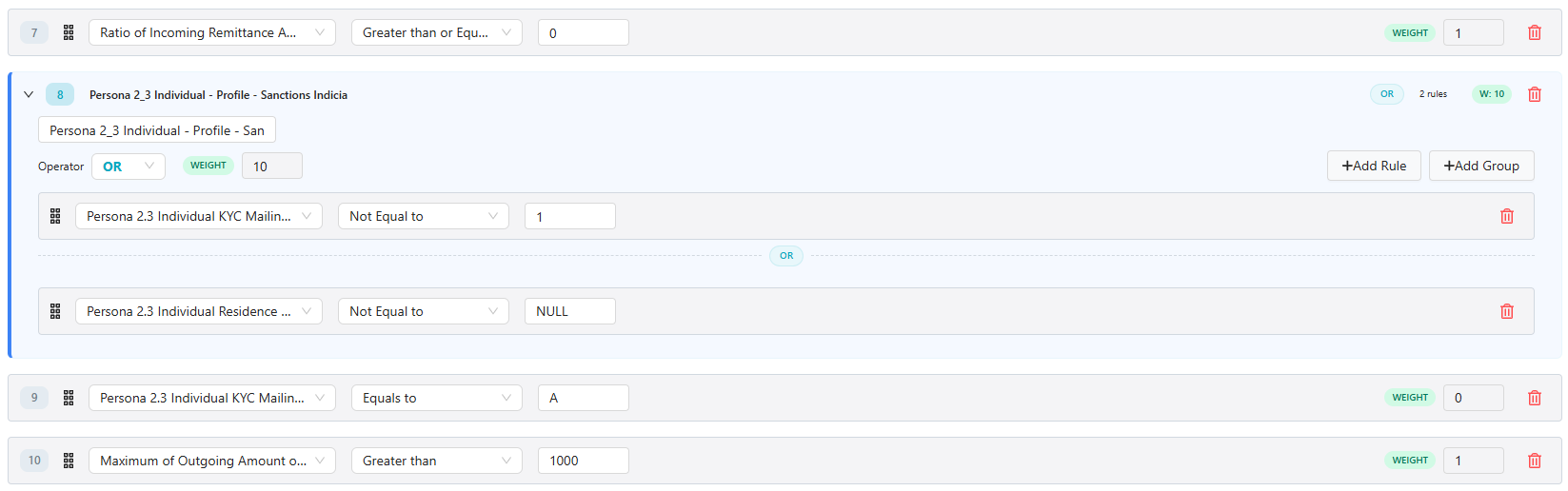
This means that updated values will be used in scoring, alert generation, training, and threshold tuning, reflecting the most current business-approved configuration.
During scoring, the system retrieves the latest configured values from Tookitaki Data Science Studio (TDSS) Dynamic Properties, while also preserving a snapshot of the values used for alert explainability and audit traceability.
- CRS rule evaluation now picks up the latest configured values during execution.
- Updated transaction categories, thresholds, or parameters are reflected in future scoring and training runs without requiring seed data regeneration.
- The system stores the exact configuration values used during scoring, so alert explainability remains traceable.
- CRS and Case Manager explainability can reference the specific configuration snapshot used when the alert was generated.
- Rule configuration usability is improved for supported rule types through the UI Builder.
{{product-cta-1}}
Inclusion of CRS Alerts for Training and Validation (CRS)
CRS training and validation pipelines can now include CRS alerts alongside CDD alerts, giving the model stronger and more relevant high-risk signals, improving the quality of learning and validation for customer risk scoring.
This better reflects the intended risk outcomes, while preserving configurability, backward compatibility, and champion/challenger functionality.
- CRS alerts can be included in CRS training and validation pipelines.
- Alert inclusion can be controlled through configuration, including date ranges, segment applicability, filtering, and alert precedence.
- Existing champion/challenger validation workflows continue to work for supervised and unsupervised model evaluation.
- CRS alerts can also appear in Case Manager alert history without requiring a UI redesign.
- The approach remains backward-compatible with existing CRS training and validation flows.
{{product-cta-2}}
Expanded Supervisor and Administrator Functionality in Case Manager
Case Manager now allows Supervisor and Administrator personas to be included as valid assignees for cases, manual cases, and alerts.
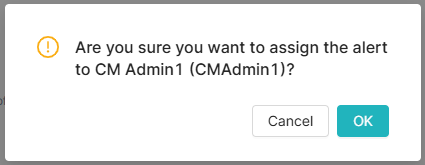
With this update, users with case assignment privileges can assign cases and alerts to Supervisors and Administrators, giving operations teams more flexibility when managing escalations, covering temporary gaps, or handling special review scenarios.
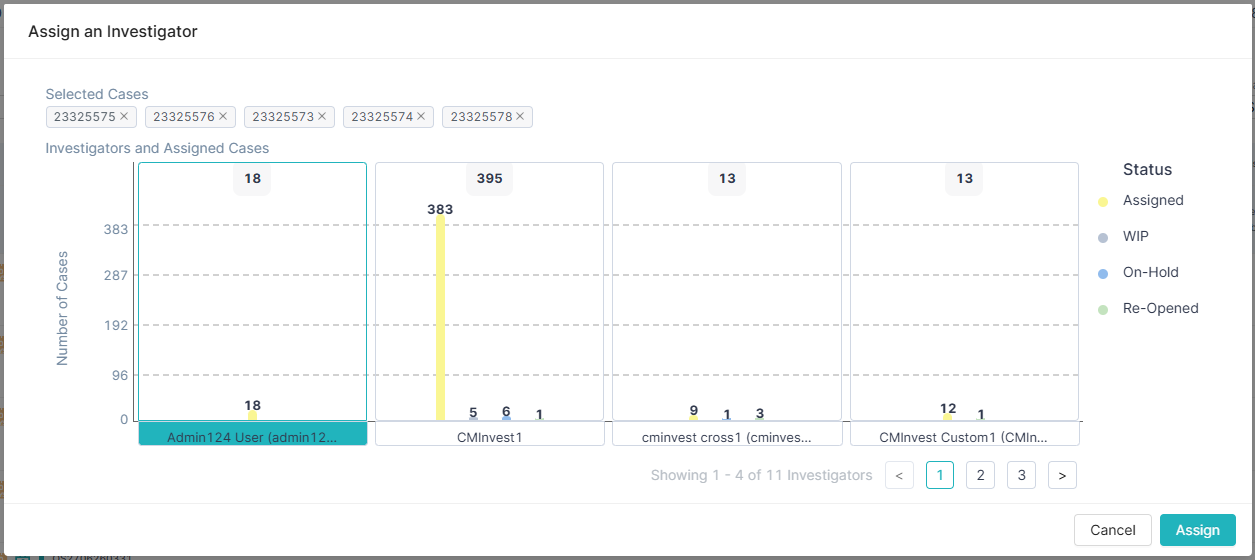
- Supervisor and Administrator personas can now appear in the assignee list for cases, manual cases, and alerts; within case assignment, case-level alert assignment, and alert assignment flows.
- Bulk assignment flows support assignment to eligible Supervisor and Administrator users.
- Auto-assignment can include Supervisors and Administrators, with the exception of assignment based on workload.
- Department access rules, audit history, checker flows, and existing assignment controls remain preserved.
- Workload and reporting views reflect cases assigned to Supervisors and Administrators wherever assignee-based dashboard metrics are shown.
{{product-cta-3}}