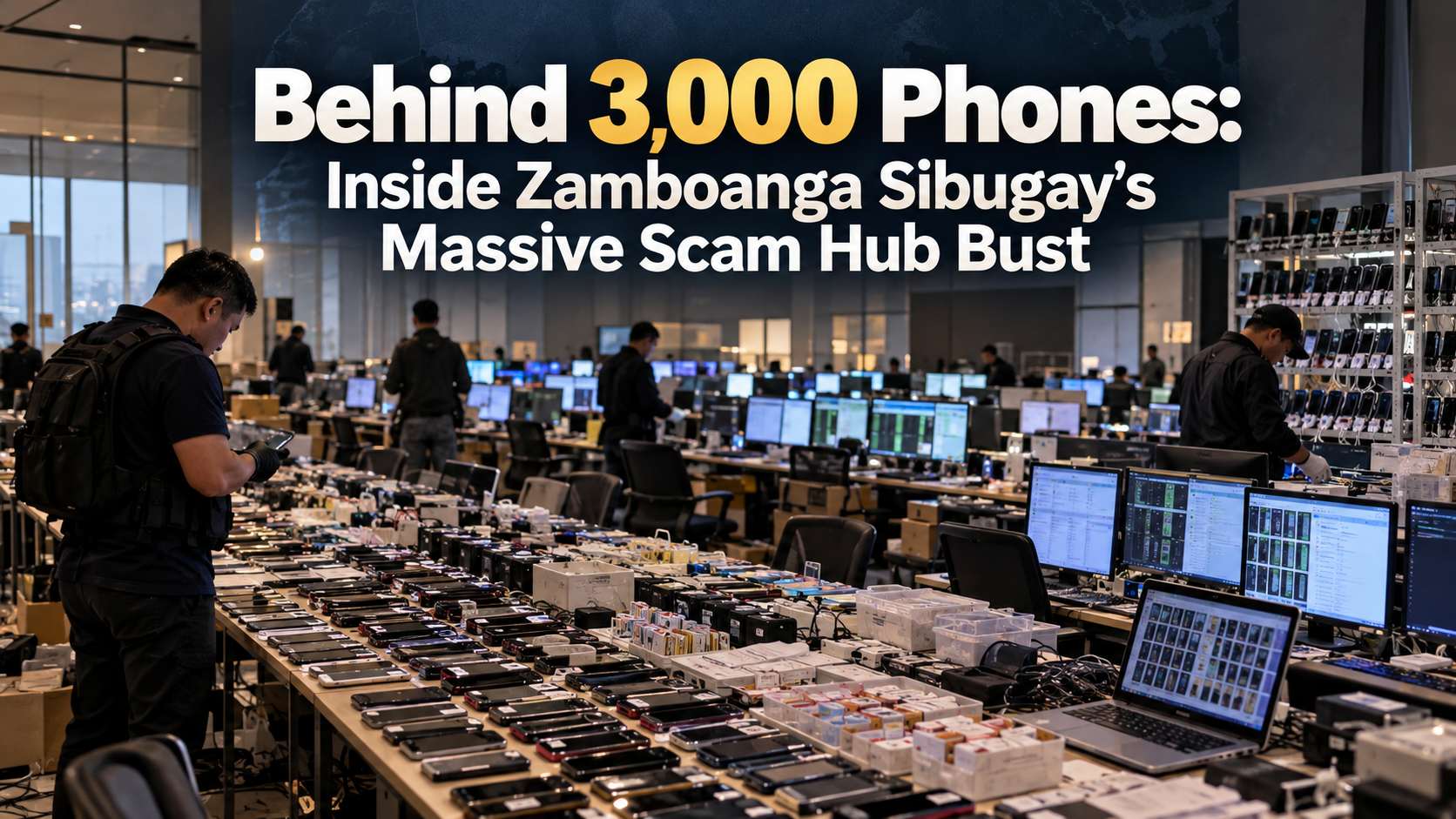
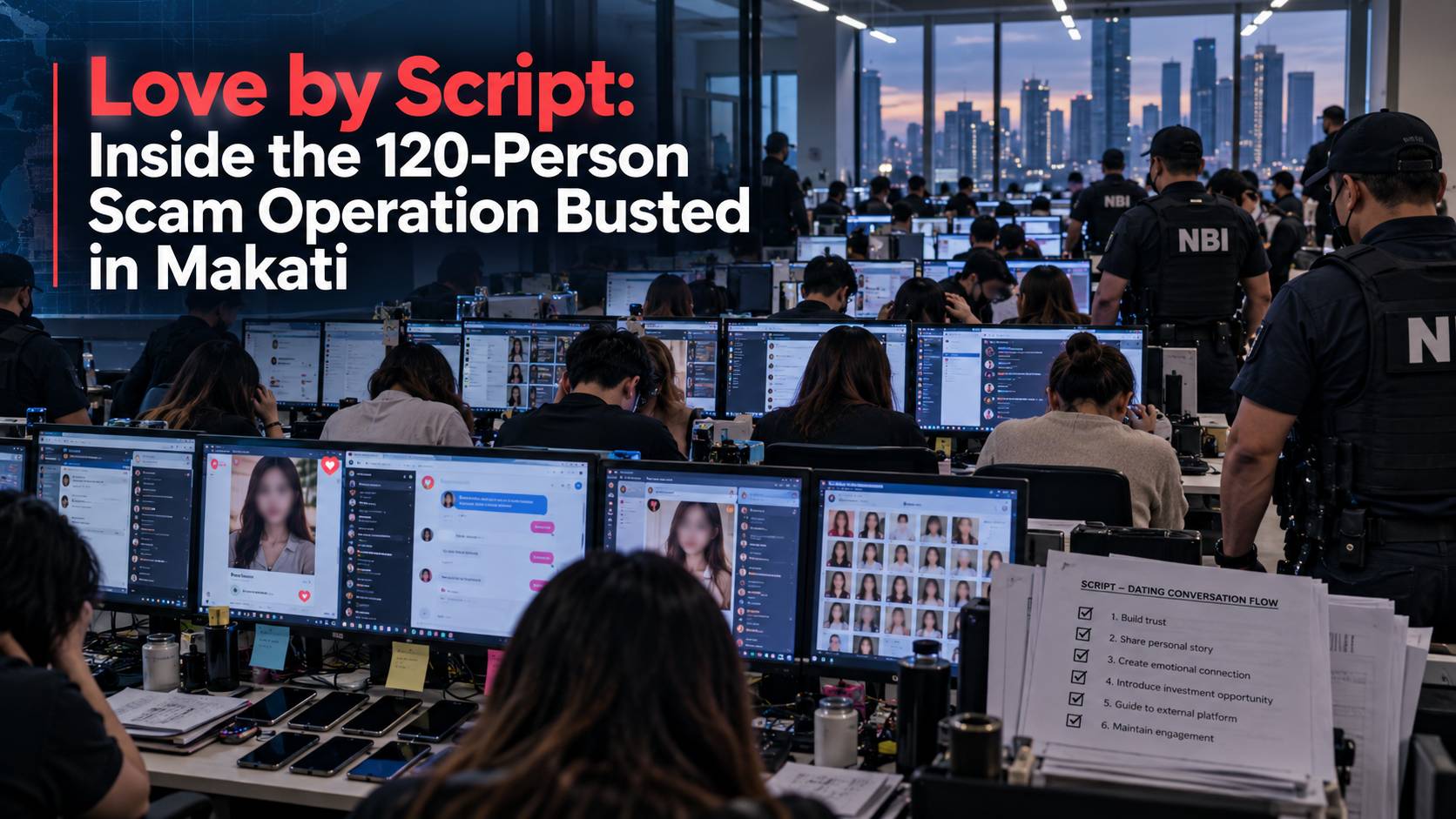
Inside Thailand’s THB 120 Million Call-Centre Scam: The Laundering Trail Behind the Calls
.svg)
A scam call is rarely just a scam call anymore.
Behind one scripted conversation can sit a much larger machine: recruiters, fake identities, mule accounts, cross-border handlers, digital payment channels, cash-out networks, and people whose only role is to keep the money moving.
Thailand’s latest call-centre scam case is a reminder of how industrialised these operations have become. Two Thai women were reportedly arrested in Sa Kaeo for allegedly helping operate a Chinese-run transnational call-centre scam network that defrauded victims of nearly THB 120 million.
For banks, fintechs, e-wallets, payment firms, and AML teams, the lesson is clear: scam prevention cannot stop at the phone call or the first payment.
The real financial crime story often begins after the victim sends the money.

1. Background of the scam
In May 2026, Thai police arrested two Thai women in Sa Kaeo for alleged involvement in a Chinese-run transnational call-centre scam network. According to the Bangkok Post, the network is accused of defrauding victims of nearly THB 120 million.
The case reflects a wider pattern seen across Southeast Asia, where scam operations have moved far beyond small-scale phone fraud. Many now operate like organised criminal businesses, with defined roles for callers, account handlers, identity suppliers, mule coordinators, technology operators, and money movers.
What makes this case important is not only the reported amount involved. It is the structure behind it.
A call-centre scam does not end when the victim is deceived. That is only the first stage. Once the funds are transferred, the network still needs to receive, split, move, withdraw, or layer the proceeds before they can be used or concealed.
That is where the AML risk begins.
The scam call creates the loss. The money trail reveals the network.
2. Impact of the case on Thai and regional finance
Thailand is located in a region that has become heavily exposed to cross-border scam activity. Reuters has reported that Thailand and China agreed to set up coordination centres to combat illegal call-centre networks along Thailand’s borders with Myanmar and Cambodia, where scam operations have often involved trafficked workers and online fraud activity.
This matters because call-centre scams are no longer just a consumer protection problem. They are a financial crime problem.
For financial institutions, these scams create exposure across several points of the transaction journey:
Victims may be manipulated into making authorised transfers.
Mule accounts may be used to receive and redistribute stolen funds.
Funds may be split across multiple accounts or beneficiaries.
Cash withdrawals, e-wallet transfers, and remittance channels may be used to reduce traceability.
Cross-border movement can make investigation and recovery harder.
This shifts the control question for banks and payment firms.
It is not enough to ask: Was the customer tricked into making the payment?
Institutions also need to ask: What did the receiving account do after the money arrived?
That second question is often where the laundering pattern becomes visible.
A recipient account may suddenly receive funds from unrelated people, move money out quickly, add new beneficiaries, withdraw cash, use remittance channels, or behave in ways that do not match the customer’s normal profile.
Individually, some of these actions may look ordinary. Together, they can reveal a mule account or laundering corridor.
3. Implications and repercussions
The first implication is that call-centre scams must be treated as both fraud and AML risks.
The fraud happens when the victim is deceived. The AML risk begins when the proceeds are received, moved, layered, or withdrawn. If fraud and AML teams work in separate silos, the institution may see only fragments of the same crime.
The second implication is that mule accounts remain central to scam operations.
A scam network needs accounts to receive victim funds. These accounts may be opened using stolen identities, rented from individuals, controlled by handlers, or operated by people under pressure. Once money lands, it may be moved out in smaller amounts to reduce attention.
The third implication is that cross-border visibility is becoming critical.
In regional scam networks, the caller, victim, recipient account, mule controller, and final beneficiary may all sit in different places. This weakens traditional monitoring if institutions only look at isolated transactions within their own systems.
The fourth implication is that speed matters.
Scam proceeds do not sit still for long. They may be moved within minutes or hours through bank transfers, wallets, cash withdrawals, crypto, remittance providers, or third-party accounts. Delayed detection can reduce the chance of freezing funds or supporting law enforcement recovery.

4. Key takeaways
For banks, fintechs, payment companies, e-wallets, and remittance providers, this case offers several practical lessons.
The scam call is only the beginning.
The more important financial crime question is what happens after the money lands.
The receiving account matters.
Fraud teams often focus on the victim’s payment. AML teams must also monitor the recipient’s behaviour after receiving funds.
Mule activity is visible in patterns, not single transactions.
Sudden incoming funds, rapid outward transfers, multiple beneficiaries, cash withdrawals, and behaviour inconsistent with the customer profile can point to laundering.
Cross-border scam networks need connected controls.
When funds move across accounts, channels, and jurisdictions, institutions need stronger links between fraud signals, customer risk, transaction behaviour, and counterparty activity.
Public-private coordination is becoming essential.
Thailand and China’s coordination efforts show how regional scam networks require faster intelligence sharing and cross-border enforcement cooperation.
5. The role of AML technology in preventing future scandals
Modern AML technology can help financial institutions detect the laundering phase of call-centre scam activity faster and with better context. In cases like this, suspicious behaviour often sits not in one transaction, but in the sequence: a new incoming transfer, a short time gap, multiple outward payments, new beneficiaries, cash withdrawals, wallet movement, cross-border remittance activity, or an account suddenly behaving differently from its historical profile. Individually, these signals may look explainable. Together, they may point to scam proceeds moving through a mule network.
Tookitaki’s FinCense helps institutions connect these patterns across AML monitoring, fraud detection, customer risk scoring, alert prioritisation, case investigation, and regulatory reporting. The value is not only in generating alerts, but in helping investigators understand why the activity is risky, how the transactions connect, and what should be reviewed next, so teams can act before funds disappear through mule networks, cash-outs, or cross-border channels.
6. Conclusion
Thailand’s alleged THB 120 million call-centre scam case is more than a story about scam calls.
It is a warning about how modern financial crime works.
The call may start the fraud. But the account activity tells the deeper story.
Scam proceeds often move quickly through mule accounts, e-wallets, bank transfers, cash withdrawals, remittance channels, and cross-border pathways. When controls operate in silos, criminals benefit from the gaps between fraud detection, AML monitoring, and investigation workflows.
For financial institutions, the path forward is clear. Scam prevention must be connected to AML monitoring. Customer risk must be connected to transaction behaviour. Fraud teams must work with compliance teams. And suspicious account activity must be reviewed in context, not isolation.
The lesson from this case is simple: follow the money after the scam call.
That is often where the real financial crime story begins.
Experience the most intelligent AML and fraud prevention platform
Experience the most intelligent AML and fraud prevention platform
Experience the most intelligent AML and fraud prevention platform
Top AML Scenarios in ASEAN
The Role of AML Software in Compliance
The Role of AML Software in Compliance